Monster's Ball
2001
No user ratings available yet
Representation score: 6.9 out of 10
Representation Score
Excellent
1993
RDirector
John Singleton
Runtime
109 minutes
Average Rating
No ratings yetNew Showbiz Analysis
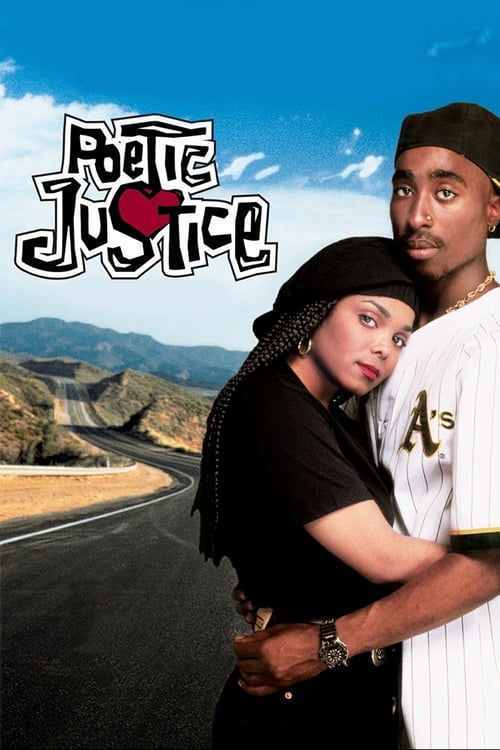
Poetic Justice is a landmark of urban realism that centers the lived experiences of Black youth in South Central Los Angeles. By prioritizing Black subjectivity, the film avoids common mainstream clichés and provides characters with significant psychological depth. The narrative successfully challenges traditional gender roles. Justice serves as an independent lead, while Lucky challenges hyper-masculine stereotypes through his emotional complexity. While the film excels in racial and cultural authenticity, it remains limited in its portrayal of LGBTQ+ identities and specific disability advocacy. The focus remains primarily on traditional romantic relationships.
Category Breakdown
The film focuses on traditional romantic relationships and family bonds. It does not prominently feature LGBTQ+ characters or explore non-traditional gender identities.
Justice is an autonomous, intellectually driven protagonist who navigates her own grief. The film also explores masculinity through Lucky’s emotional vulnerability.
The film excels in showcasing an almost entirely Black cast, emphasizing Black subjectivity and avoiding the traditional white perspective.
The narrative critiques socio-economic structures and systemic oppression. It highlights communal support systems rather than the traditional nuclear family structure.
The film examines psychological trauma and the emotional impact of grief. However, it lacks characters with visible or neurodivergent disabilities who have significant roles in the story.
Present on Screen
Limited or Absent
Official Synopsis
Still grieving after the murder of her boyfriend, hairdresser Justice writes poetry to deal with the pain of her loss. Unable to get to Oakland to attend a convention because of her broken-down car, Justice gets a lift with her friend, Iesha, and Iesha's postal worker boyfriend, Chicago. Along for the ride is Chicago's co-worker, Lucky, to whom Justice grows close after some initial problems. But is she ready to open her heart again?
2001

1985

1999
2002
1991
1988

2010
1990
No reviews yet. Be the first to share your thoughts on this movie!
Use the rating form above to leave a star rating and optional review.