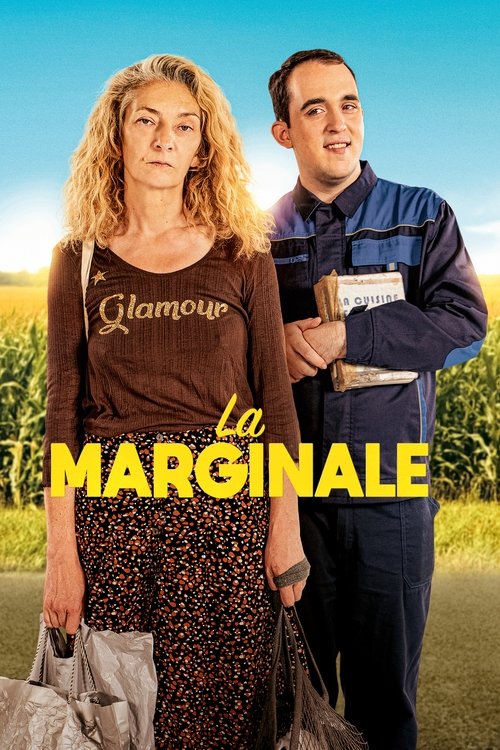
The Marginalized
2023
No user ratings available yet
Representation score: 8.8 out of 10
Representation Score
Good
2002
Director
Pago Bahlke, Eike Besuden
Runtime
90 minutes
Average Rating
No ratings yetNew Showbiz Analysis
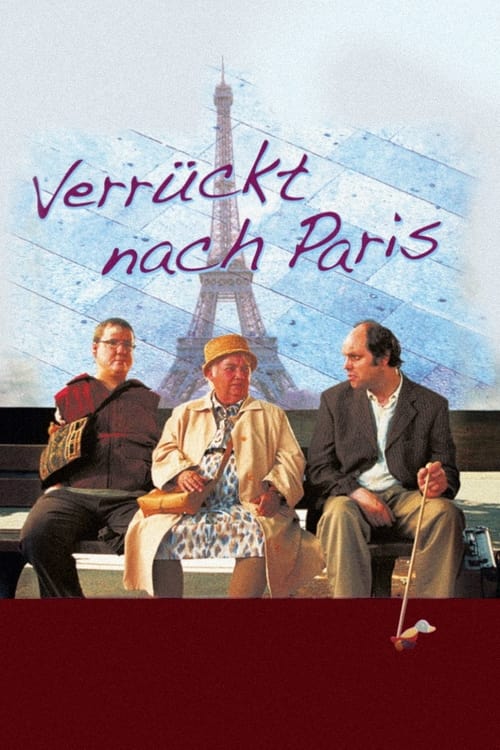
Verrückt nach Paris is a character-driven comedy that centers on the pursuit of autonomy. Its primary achievement is the portrayal of neurodivergent and physically disabled characters as active agents of their own destiny rather than passive recipients of care. While the film excels in disability representation, it lacks significant multi-layered depth. The narrative does not explicitly feature diverse racial backgrounds or LGBTQ+ identities, remaining focused on the trio's journey toward freedom. Ultimately, the film succeeds by framing the protagonists' rebellion against institutional routine as a valid quest for self-determination, effectively subverting the role of the caretaker and the residential home.
Category Breakdown
The film highlights the friendship between the central trio but does not include explicit documentation of same-sex relationships or non-cisgender identities.
Hilde is a central protagonist who demonstrates significant autonomy. She actively participates in the escape plan rather than serving as a passive romantic interest, challenging traditional gender roles.
The cast appears relatively homogeneous, reflecting the typical makeup of mid-sized German productions from the early 2000s. There is no explicit evidence of diverse racial backgrounds.
The story challenges institutional structures by portraying the residential home and caretakers as figures of surveillance. It prioritizes individual liberation and personal desires over social order.
Characters with disabilities are the primary drivers of the plot rather than objects of pity. The film gives them the power to disrupt their environment and pursue personal dreams.
Present on Screen
Limited or Absent
Official Synopsis
A road movie comedy about the longing for freedom and the realization of dreams: Hilde, Karl and Philip live in a Bremen residential home for people with disabilities. While the two boys work in a workshop where they make toy "waddling ducks", Hilde peels buckets of potatoes as a kitchen assistant. Bored with the daily routine, the trio decide one day to escape from the home and go on vacation to Cologne. After a few adventures, Philip loses his wheelchair and has to "hop" around Cologne from then on. Eventually, the friends miss their train back to Bremen - and head to Paris instead. Enno, their cynical caretaker, is tasked with bringing the runaways back. A wild chase begins.
2023

2020

2016

2010

2012

2010

2010
2004
No reviews yet. Be the first to share your thoughts on this movie!
Use the rating form above to leave a star rating and optional review.