Casablanca Express
1989
No user ratings available yet
Representation score: 1.8 out of 10
Representation Score
Minimal
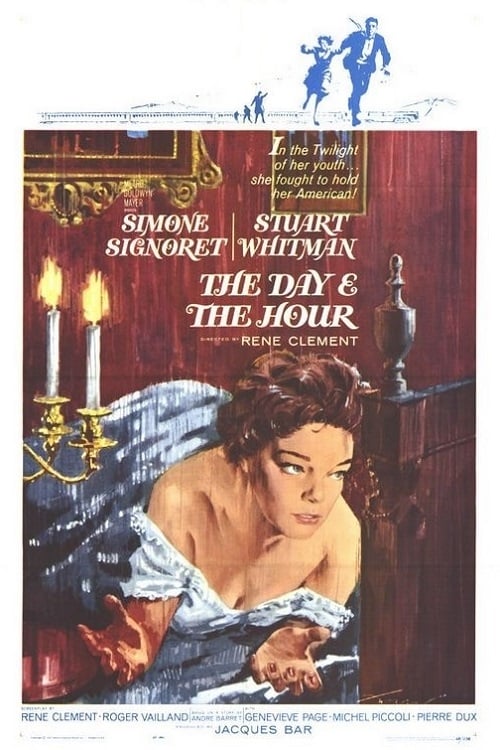
1963
Director
René Clément
Runtime
110 minutes
Average Rating
No ratings yetNew Showbiz Analysis
The film is a historical drama centered on the tension of wartime occupation, focusing on the immediate logistical challenges faced by the French Resistance. It prioritizes survivalist ethics and the disruption of the status quo over diverse character development. While the film lacks broad demographic representation in terms of race, disability, and LGBTQ+ identities, it excels in cultural representation, emphasizing the necessity of challenging oppressive systems. Ultimately, the narrative structure centers on the practicalities of resistance and the subversion of oppressive authority.
Category Breakdown
The film does not include any LGBTQ+ characters or non-cisgender identities. The story focuses solely on the survival efforts of the French Resistance during World War II.
Thérèse plays a crucial role in transporting and protecting Allied soldiers, showing significant influence in the story. However, the traditional gender roles of the 1940s remain largely unchanged.
The cast is predominantly made up of actors from similar backgrounds, reflecting the historical context of France during the war. The film presents a localized European perspective.
The film highlights moral relativism by depicting the occupying German forces as an oppressive system to be challenged. It emphasizes the necessity of resistance and situational ethics.
There are no characters with visible or invisible disabilities featured as central figures in the narrative. The story focuses on the physical demands faced by both combatants and civilians.
Present on Screen
Limited or Absent
Official Synopsis
In the midst of World War II, a French widow falls for a U.S. captain whom she hides from the Nazis and helps escape to Spain.
1989

1945

1942

1966
1952
1964
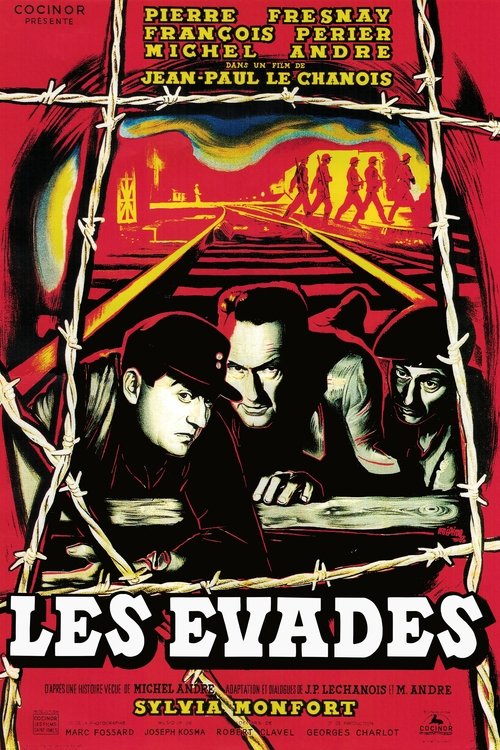
1955

1941
No reviews yet. Be the first to share your thoughts on this movie!
Use the rating form above to leave a star rating and optional review.