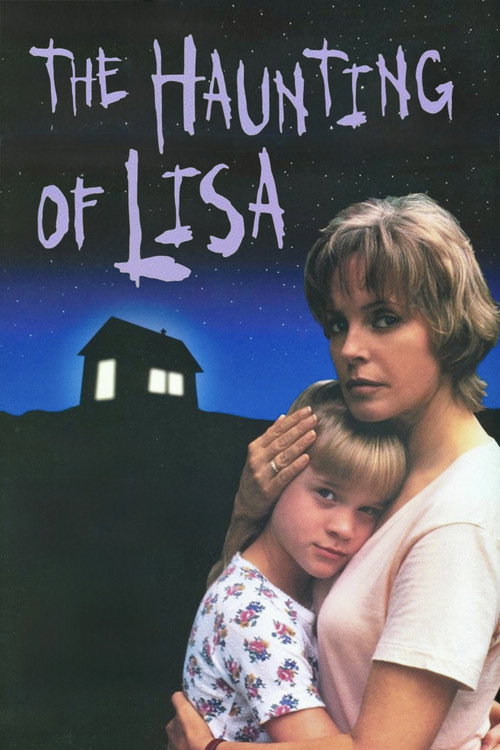
The Haunting of Lisa
1996
No user ratings available yet
Representation score: 2.7 out of 10

Representation Score
Fair
1996
PG-13Director
Michael Toshiyuki Uno
Runtime
86 minutes
Average Rating
No ratings yetNew Showbiz Analysis
Buried Secrets is a conventional 1990s television mystery that relies on established genre clichés. While it grants a significant role in driving the story to its female protagonist, it does not challenge broader social or racial hierarchies. The film's demographic makeup is largely homogeneous, reflecting the standard casting patterns of its era. It prioritizes interpersonal domestic drama over diverse cultural or systemic perspectives. Ultimately, the work functions as a localized character study within a traditional framework, offering little disruption to the status quo of its time.
Category Breakdown
The film does not include any explicit LGBTQ+ characters or relationships that challenge traditional heterosexual norms. Instead, it focuses on traditional family structures and domestic tragedies.
Annalisse Vellum's investigative role provides a significant role in driving the story to the female protagonist. However, the story remains centered around a traditional domestic framework.
The cast and setting reflect a predominantly Anglo-Saxon demographic. The narrative focuses on a localized, homogeneous community typical of the mid-1990s.
Themes of trauma and secrets are explored within conventional Western family structures. There is little evidence of anti-institutional or cultural critique.
Psychological distress and nightmares are used as supernatural plot devices. These elements do not offer nuanced portrayals of neurodivergence or mental health issues.
Present on Screen
Limited or Absent
Official Synopsis
A young woman moves with her mother to her mother's hometown and is haunted by the ghost of a dead teenager.
1996

1989
2007
2000
1996

2002

1999

2004
No reviews yet. Be the first to share your thoughts on this movie!
Use the rating form above to leave a star rating and optional review.