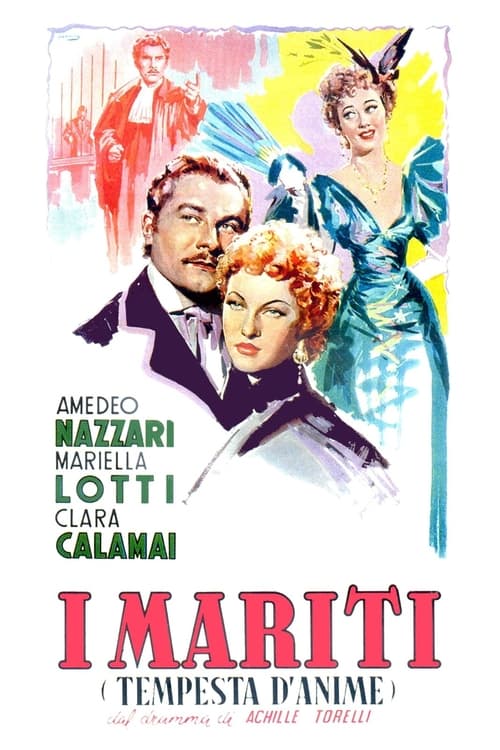
I mariti
1941
No user ratings available yet
Representation score: 0.5 out of 10
Representation Score
Limited
1956
Director
Camillo Mastrocinque
Runtime
101 minutes
Average Rating
No ratings yetNew Showbiz Analysis
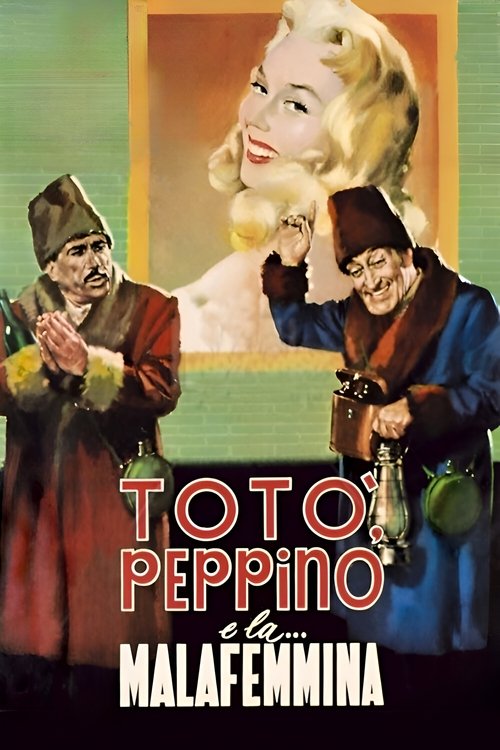
Totò, Peppino, and the Hussy serves as a cultural artifact reflecting mid-century social hierarchies. The plot revolves around male characters enforcing traditional familial expectations and career stability on a younger relative. The film relies heavily on established gendered clichés and regional archetypes. While it offers a localized cultural lens of Naples and Milan, it lacks multi-layered diversity or any challenge to the era's social norms. Ultimately, the narrative prioritizes the restoration of social order and duty, functioning within a framework of conventional respectability rather than exploring diverse identities or non-traditional lifestyles.
Category Breakdown
The story focuses on a traditional romance between a male student and a dancer. There is no representation of non-binary gender identities or critiques of the assumption that everyone is straight or cisgender.
The plot is driven by male characters who attempt to regulate the behavior of a younger relative. The female lead is defined by her role in the family or through the 'Malafemmina' archetype.
The film reflects the demographic of 1950s Italy, focusing on regions like Naples and Milan. It does not include multi-layered racial diversity or non-Anglo-Saxon casting.
The narrative highlights Mediterranean social structures and the importance of the extended family. It emphasizes traditional familial authority and professional stability over individualistic rebellion.
There are no characters with visible or invisible disabilities in the narrative.
Present on Screen
Limited or Absent
Official Synopsis
Antonio, Peppino and Lucia are three brothers who live in the country near Naples. Lucia's son, Gianni, goes to Naples to study medicine, but there he knows a ballet dancer. They fall in love and, when she goes to Milan, Gianni follows her. Informed of this and afraid that their nephew will stop studying, the three Caponi brothers leave for Milan to persuade Gianni to come back and continue studying and abandon the "Malafemmina" (bad girl).
1941

1952
1937

1996
1960
1954
1952
1972
No reviews yet. Be the first to share your thoughts on this movie!
Use the rating form above to leave a star rating and optional review.