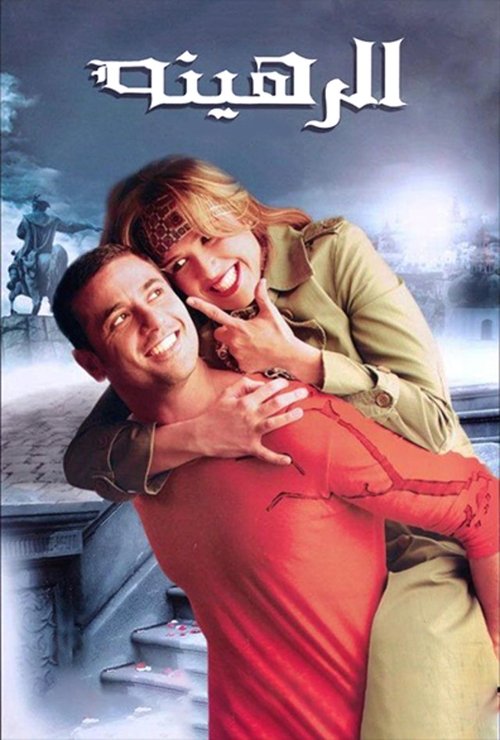
The Hostage
2006
No user ratings available yet
Representation score: 3.5 out of 10
Representation Score
Limited
1992
Director
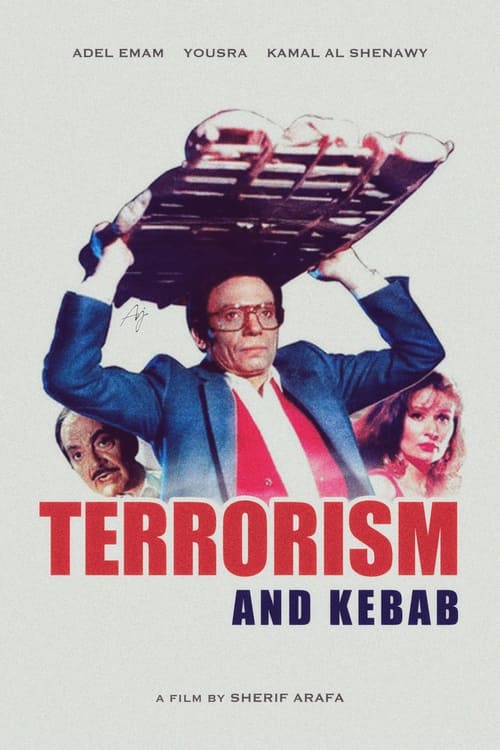
Sherif Arafa
Runtime
115 minutes
Average Rating
No ratings yetNew Showbiz Analysis
Terrorism and Kebab is a sophisticated social satire that prioritizes institutional critique over broad demographic representation. While it lacks LGBTQ+ and diverse ethnic representation, it uses its Egyptian setting to offer a sharp commentary on state power. The film's strength lies in its cultural depth, particularly in how it deconstructs the concept of terrorism through bureaucratic absurdity. It challenges the sanctity of state institutions by framing systemic friction as a catalyst for chaos. However, the film remains anchored in traditional social hierarchies, limiting its reach in terms of modern diversity.
Category Breakdown
The film focuses on traditional social structures and does not engage with LGBTQ+ or non-cisgender identities.
The story centers around a male protagonist dealing with bureaucratic obstacles. Female characters mainly support the plot without challenging traditional gender roles.
The cast is predominantly made up of actors from a similar ethnic background, reflecting a Cairo setting. It does not actively seek to diversify ethnic or racial representation.
The film effectively critiques institutional structures through satire, portraying government bureaucracy as an oppressive maze that stifles individuals.
There are no significant depictions of physical or neurodivergent disabilities used as central plot devices or character studies.
Present on Screen
Limited or Absent
Official Synopsis
Ahmed heads to Tahrir compound to extract papers to move his son to another school. There he clashes with the administrative obstacles. He suddenly finds himself involved in carrying a weapon and taking hostages at the government building and becomes a terrorist in the process.
2006

2017
1979
2006

2019

2011
2017

2010
No reviews yet. Be the first to share your thoughts on this movie!
Use the rating form above to leave a star rating and optional review.