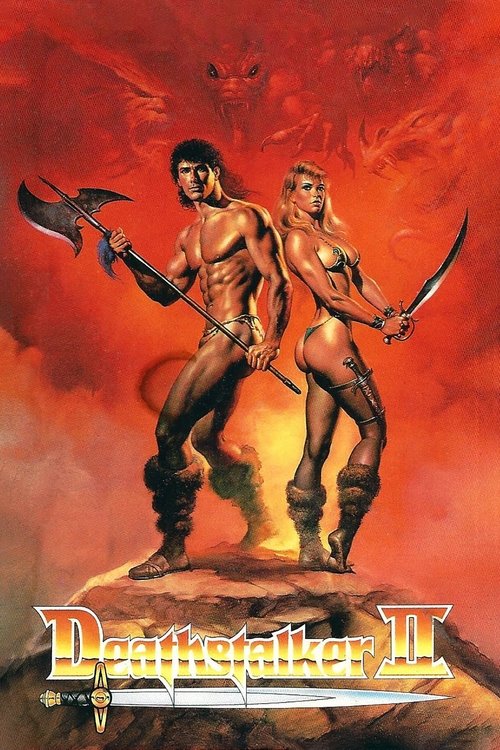
Deathstalker II: Duel of the Titans
1987
No user ratings available yet
Representation score: 1.3 out of 10

Representation Score
Minimal
1983
RDirector
James Sbardellati
Runtime
80 minutes
Average Rating
No ratings yetNew Showbiz Analysis
Deathstalker is a classic example of 1980s low-budget sword-and-sorcery cinema. It prioritizes established genre conventions and traditional mythic archetypes over any form of progressive representation or narrative subversion. The film reinforces conventional social hierarchies through its homogeneous casting and rigid gender roles. The protagonist drives the plot through physical authority, while female characters have little control over their fates. Ultimately, the work upholds traditional heroic structures. It lacks engagement with diverse identities, favoring a standard, non-diverse fantasy setting.
Category Breakdown
The film does not include any representation of LGBTQ+ identities or subtext. The character interactions are strictly heterosexual throughout the story.
Gender roles in the film follow traditional hierarchies, with the male protagonist taking the lead in driving the plot. Female characters mostly play passive roles, fitting the 'damsel in distress' archetype.
The casting is primarily homogeneous and lacks ethnic diversity. The visual world of the film adheres to a non-diverse, Anglo-centric fantasy setting typical of the time.
The story uses a simple good-versus-evil framework. It emphasizes heroic conquest without questioning systemic power structures or deconstructing societal norms.
There is no significant depiction of physical or neurodivergent disabilities in the film. The focus remains entirely on physical combat and strength.
Present on Screen
Limited or Absent
Official Synopsis
The warrior Deathstalker is tasked by an old witch lady to obtain and unite the three powers of creation - a chalice, an amulet, and a sword - lest the evil magician Munkar get them and use them for nefarious purposes. After obtaining the sword, Deathstalker joins with other travelers going to the Big Tournament to determine the strongest warrior. The false king holds the true princess in captivity, and plots to have Deathstalker killed, and Deathstalker must fight to free the princess.
1987
1985
1984
1958
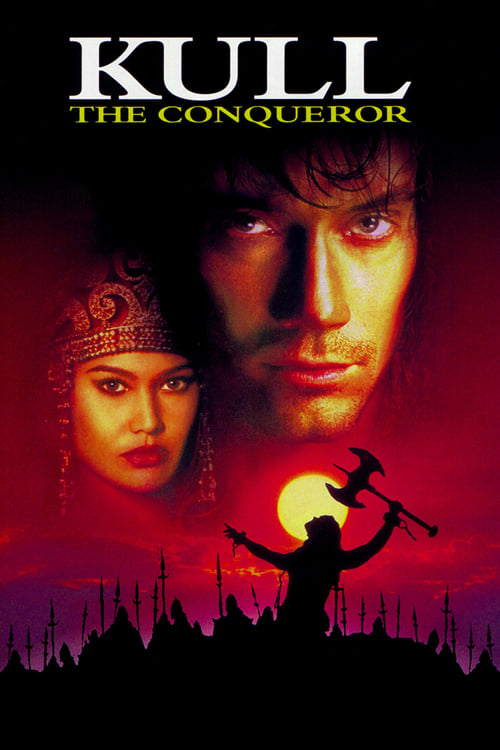
1997
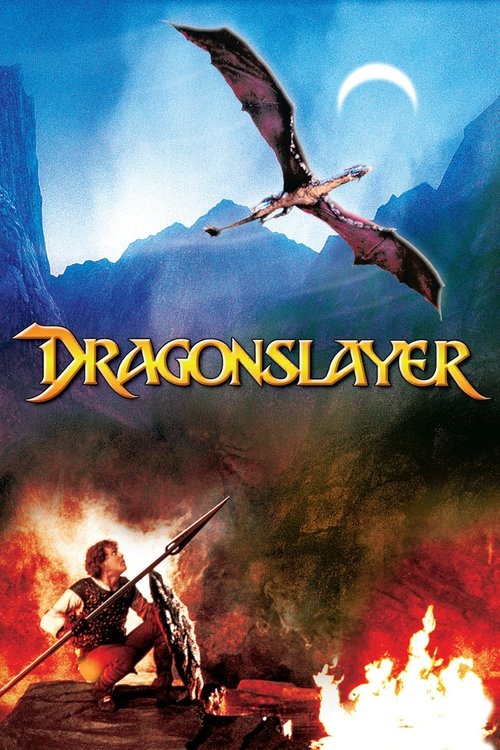
1981
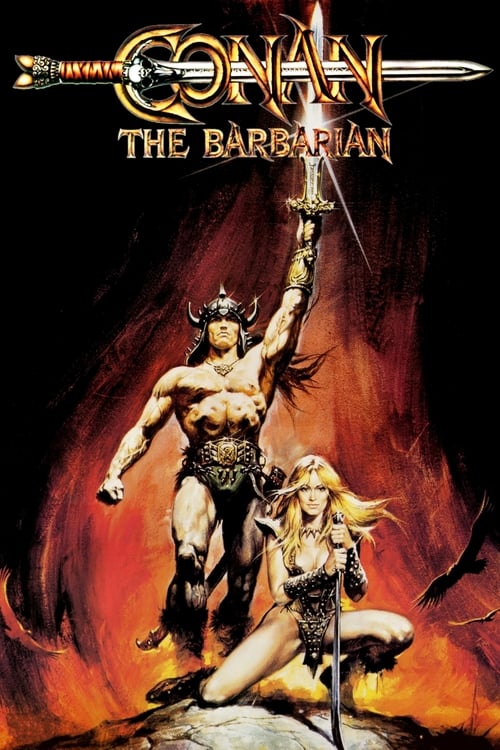
1982
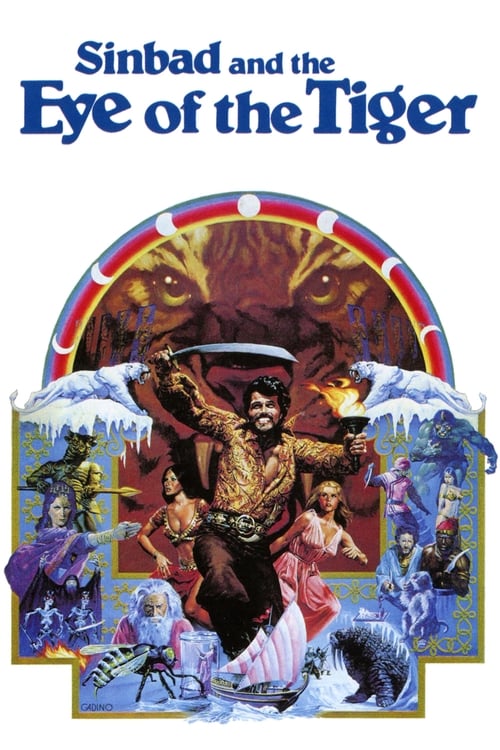
1977
No reviews yet. Be the first to share your thoughts on this movie!
Use the rating form above to leave a star rating and optional review.