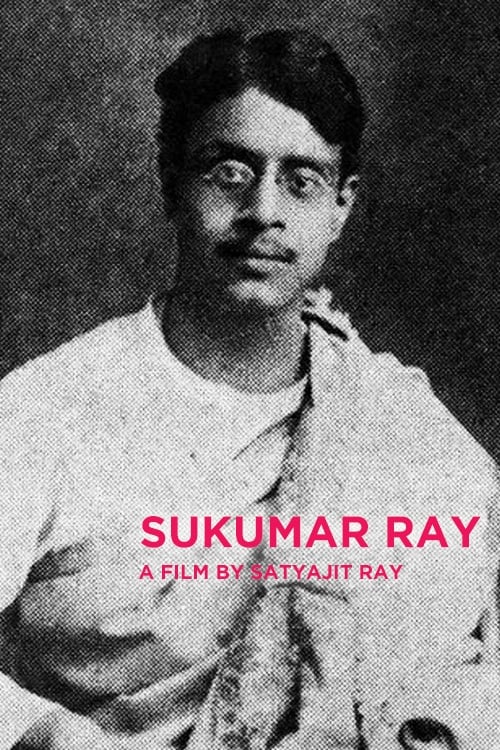
Sukumar Ray
1987
No user ratings available yet
Representation score: 4.2 out of 10
Representation Score
Limited
1961
Director
Satyajit Ray
Runtime
54 minutes
Average Rating
No ratings yetNew Showbiz Analysis
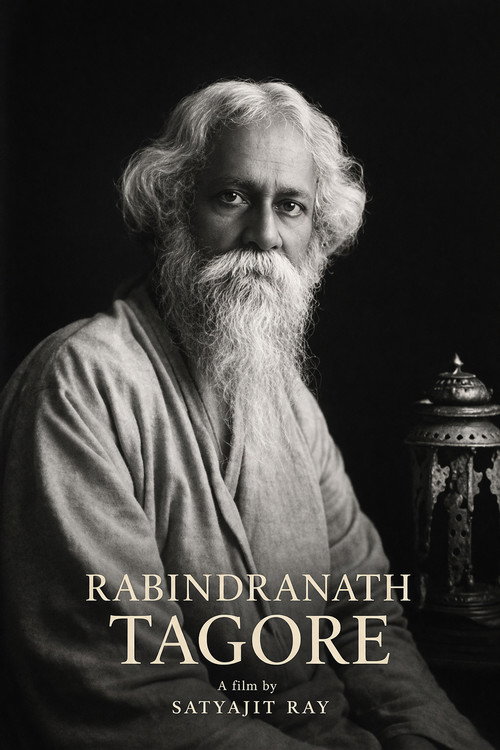
Satyajit Ray’s direction offers a nuanced examination of colonial hierarchies, centering South Asian perspectives. The film avoids a Western lens, instead presenting Tagore’s philosophy as a means to navigate modernity while preserving cultural identity. Though the film does not include contemporary LGBTQ+ or gender-challenging themes, it excels in its post-colonial resonance. It effectively counters the Eurocentric perspective common in mid-century biographies by elevating an Indian intellectual to the global stage. The documentary serves as a crucial historical record that balances Eastern spirituality against Western materialism, ensuring the subject’s cultural integrity remains intact throughout the narrative.
Category Breakdown
The film focuses solely on the life events of Tagore and does not depict any non-traditional sexual orientations or intimate relationships.
Female characters are shown within the domestic and intellectual circles of the Bengali elite. Their roles are primarily defined by their relationships to the main character.
The film features an all-Indian cast, emphasizing authentic cultural representation. It highlights indigenous history and presents a non-Western protagonist as globally significant.
The story explores the tension between colonial influence and indigenous identity. It showcases the Brahmo Samaj to challenge rigid religious structures through reformist ideas.
There is no focus on physical or neurological disabilities as central narrative elements in this biographical context.
Present on Screen
Limited or Absent
Official Synopsis
Docudrama about the life of Rabindranath Tagore, Indian polymath—poet, writer, playwright, composer, philosopher, social reformer and painter, who reshaped Bengali literature and music as well as Indian art, becoming in 1913 the first non-European and the first lyricist to win the Nobel Prize in Literature. The film was released during Tagore's birth centenary year.
1987
1969
2014

2010
2000
1994
1957
2015
No reviews yet. Be the first to share your thoughts on this movie!
Use the rating form above to leave a star rating and optional review.