
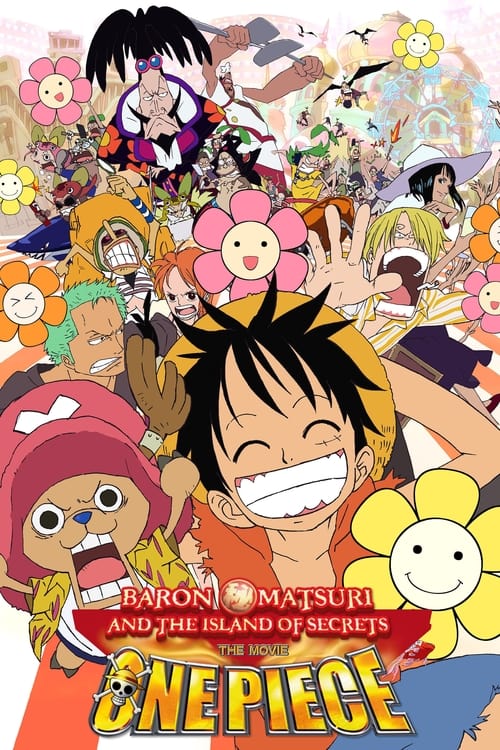
One Piece: Episode of Luffy - Hand Island Adventure
2012
No user ratings available yet
Representation score: 8.7 out of 10
Representation Score
Good
2005
PG-13Director
Mamoru Hosoda
Runtime
91 minutes
Average Rating
No ratings yetNew Showbiz Analysis
The film finds its progressive edge through systemic critique rather than identity politics. By framing the central festival as a corrupt, predatory system, the narrative champions resistance against exploitative power structures. While the work adheres to traditional gendered action clichés, it utilizes speculative biology to create a sophisticated layer of pluralism. This approach challenges the homogeneity often found in heroic epics. Ultimately, the film's strength lies in its deconstruction of community dynamics and its exploration of individual ability to act against systemic manipulation.
Category Breakdown
The film does not include explicit LGBTQ+ characters or non-cisgender identities. The interpersonal dynamics focus on the platonic and professional bonds among the main characters. No derogatory stereotypes are used.
Leadership and conflict resolution are primarily driven by the male protagonist, Luffy. While Nami plays a significant role in navigation and strategy, the climax emphasizes traditional masculine leadership roles.
The narrative uses speculative diversity through various fantasy species and humanoid hybrids. This biological pluralism serves as a successful metaphor for a multi-ethnic society, avoiding human-centric casting pitfalls.
The story critiques exploitative institutions by revealing a traditional festival as a predatory mechanism. It portrays the disruption of the Baron's corrupt regime as a necessary act of liberation.
Representation is limited, with characters like Chopper having unique physical traits. These traits are treated as biological species facts rather than explorations of lived experience with disability or neurodivergence.
Present on Screen
Limited or Absent
Official Synopsis
The Straw Hats visit a recreational island, run by Baron Omatsuri, who asks them to complete a series of ordeals if they wish to stay on the island. Luffy accepts and the Straw Hats work together to complete them, but as the island's mysteries unfold, their lives and friendships are put to the test. It's up to Luffy to stop the Baron's plot and keep his crew together.
2012
2004
1998
2001
2002

2008
2012

2004
No reviews yet. Be the first to share your thoughts on this movie!
Use the rating form above to leave a star rating and optional review.