Rosa Luxemburg
1986
No user ratings available yet
Representation score: 7.1 out of 10
Representation Score
Good
1987
Director
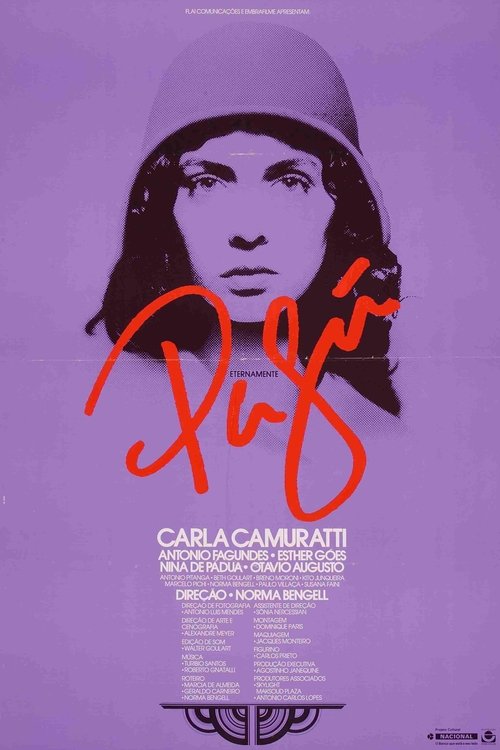
Norma Bengell
Runtime
100 minutes
Average Rating
No ratings yetNew Showbiz Analysis
Eternamente Pagu is a sophisticated deconstruction of the biographical genre. It avoids a traditional, linear life story, instead emphasizing the protagonist's ideological development and resistance to state-imposed structures. The film's strength lies in its focus on women's ability to drive the story and its critique of established political hierarchies. By centering a woman's journey through journalism, activism, and theater direction, it challenges traditional submissive feminine roles. While the film offers a rich cultural and gendered perspective, it lacks explicit confirmation of LGBTQ+ representation or disability inclusion. The narrative's power is rooted in its specific Brazilian historical and political context.
Category Breakdown
The film suggests a challenge to traditional gender roles through Pagu's rejection of conventional domestic life. However, it does not explicitly confirm same-sex relationships or non-traditional gender identities.
Patrícia Galvão is shown as an independent thinker and activist, not just a supportive spouse. The story highlights her role in resisting state oppression.
The film provides a unique look at Brazilian Modernism, focusing on the specific socio-political environment and identity of South America.
The story delves into anti-authoritarian themes and critiques of systemic power. It follows the protagonist's journey through socialist ideologies and resistance to dictatorship.
There is no documented evidence of the portrayal of physical or neurodivergent disabilities in this work.
Present on Screen
Limited or Absent
Official Synopsis
Eternamente Pagu is a biographical film about Patrícia Galvão, best known as Pagu, a Brazilian political, literary and artistic activist. An important figure of the Brazilian Modernism, Pagu was also a militant for the Brazilian Communist Party after she married writer Oswald de Andrade. She broke up with Andrade and, as a journalist was arrested by the Dictatorship of Getúlio Vargas. After she left prison, she abandoned Communism in favor of Trotskyist Socialism, married Geraldo Ferraz, and started a career as theatre director.
1986
2004
2006
1971
1984
1981

2019
1994
No reviews yet. Be the first to share your thoughts on this movie!
Use the rating form above to leave a star rating and optional review.