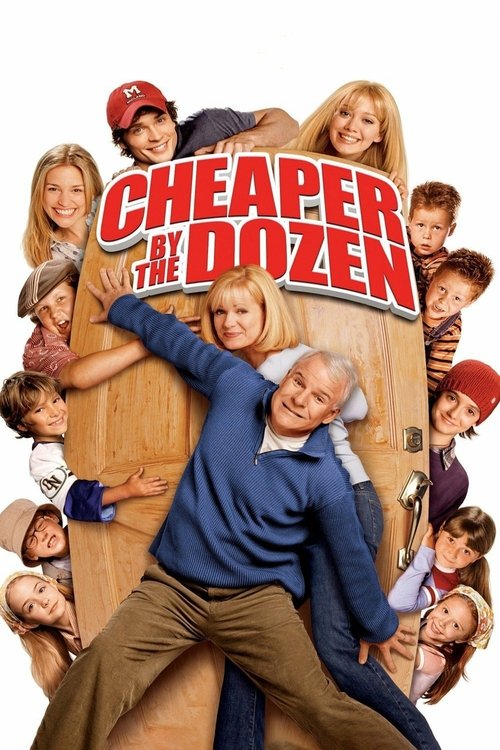
Cheaper by the Dozen
2003
No user ratings available yet
Representation score: 2.4 out of 10
Representation Score
Minimal
1990
PGDirector
Emile Ardolino
Runtime
104 minutes
Average Rating
No ratings yetNew Showbiz Analysis
The film provides a fresh perspective on gender roles by showcasing men effectively handling domestic duties. However, it maintains a conventional stance in other areas, such as race, LGBTQ+ representation, and disability, which limits its broader social impact.
Category Breakdown
The film does not feature any LGBTQ+ characters. Romantic and familial relationships follow traditional heterosexual and cisgender norms.
The film challenges traditional masculinity by showing men in domestic roles. It avoids the cliché of incompetent males by highlighting their growth in childcare and cooking.
The cast is predominantly white and middle-class, with a focus on a European demographic. Paris serves as an aesthetic setting without exploring diverse backgrounds.
The story centers around conventional Western family values. It emphasizes the importance of domestic responsibilities and the emotional unity of the household.
The film does not depict any characters with physical, neurodivergent, or sensory disabilities.
Present on Screen
Limited or Absent
Official Synopsis
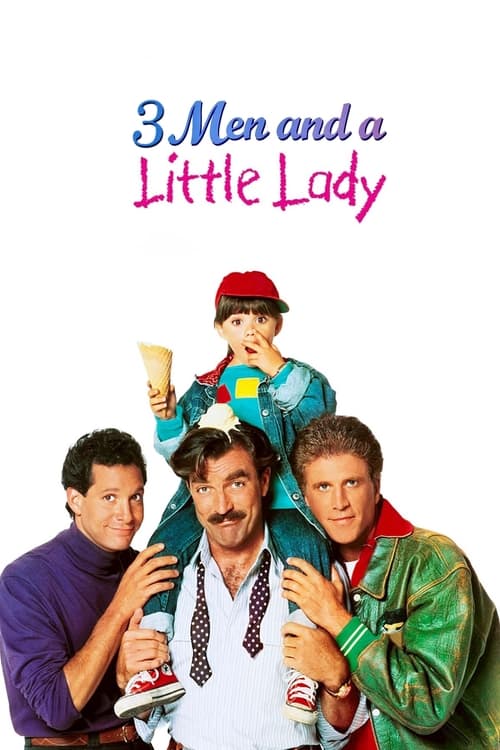
Sylvia's work increasingly takes her away from the three men who help bring up Mary, her daughter. When she decides to move to England and take Mary with her, the three men are heartbroken at losing the two most important women in their lives.
2003
1994
2003
1994
1987

1991

1997

1983
No reviews yet. Be the first to share your thoughts on this movie!
Use the rating form above to leave a star rating and optional review.