Go
1986
No user ratings available yet
Representation score: 2.1 out of 10
Representation Score
Fair
1993
Director
Louis C.K.
Runtime
13 minutes
Average Rating
No ratings yetNew Showbiz Analysis
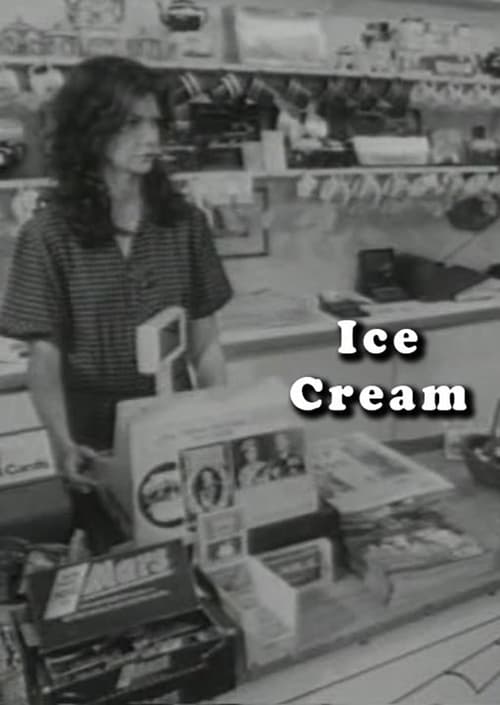
Ice Cream is a surrealist comedy that focuses on subverting social scripts rather than demographic representation. It successfully challenges the predictability of courtship and the sanctity of traditional institutions like the nuclear family. However, the film lacks meaningful multi-layered casting. The narrative centers on a homogeneous cast and a traditional heterosexual storyline, providing little visibility for diverse racial or LGBTQ+ identities. Ultimately, the work serves as a postmodern critique of societal norms rather than a platform for inclusive representation.
Category Breakdown
The film follows a traditional romantic relationship between a man and a woman. Although it doesn't explicitly include LGBTQ+ identities, its surreal tone challenges typical social norms.
The female protagonist shows significant independence and indifference, rejecting standard social cues. This defies traditional clichés of the assertive suitor or the competent provider.
The cast appears uniform, with no indication of race-bent casting. The character dynamics fit a traditional Western urban setting.
The narrative questions the stability of the nuclear family and social order through surrealist absurdity. It dismantles Western institutions by presenting a robbery as a non-event.
Characters display eccentric or detached behaviors, such as intense staring. However, it is unclear if these are intentional disability portrayals or simply stylistic choices.
Present on Screen
Limited or Absent
Official Synopsis
This film was shown at Sundance, the MOMA New Directors New Films Fest, and won the grand prize at the Aspen Short Fest.
1986

2002

1983
2005
2008
1990
1994

2007
No reviews yet. Be the first to share your thoughts on this movie!
Use the rating form above to leave a star rating and optional review.