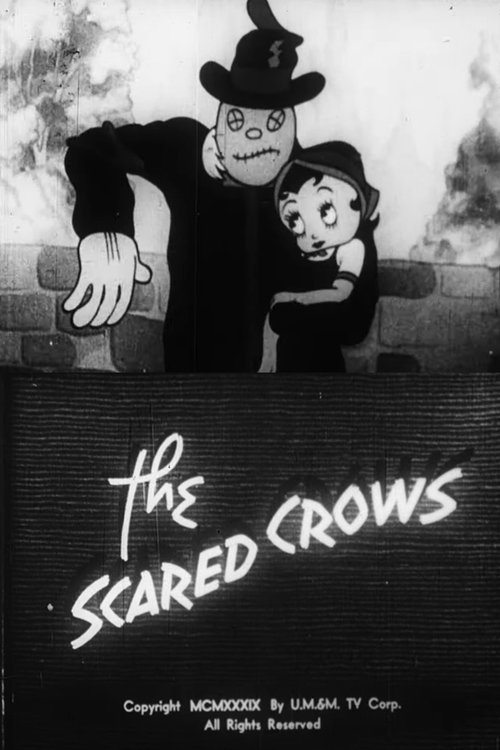
The Scared Crows
1939
No user ratings available yet
Representation score: 0.4 out of 10
Representation Score
Limited
1933
Director
Dave Fleischer
Runtime
8 minutes
Average Rating
No ratings yetNew Showbiz Analysis
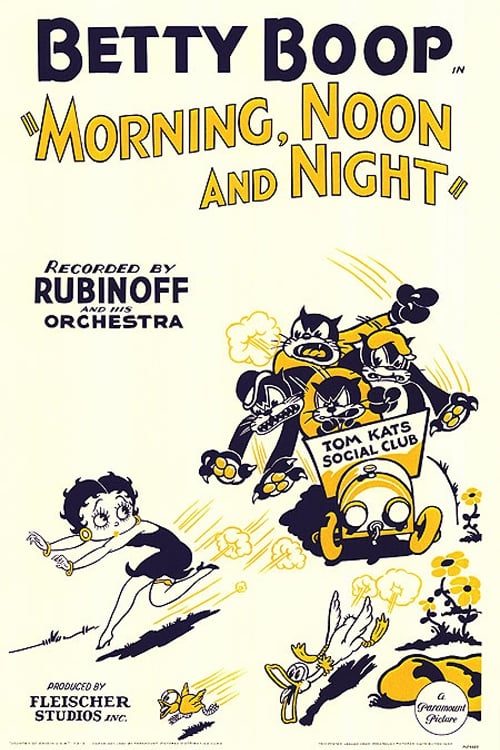
Morning, Noon and Night is a rhythmic, musical short that prioritizes entertainment over social commentary. It reflects the social hierarchies and commercial constraints of the early 1930s, offering little complexity in terms of diversity. The film relies heavily on established archetypes, particularly the Betty Boop flapper persona. While this provides a central figure, the character functions more as a stylistic icon than a disruptor of patriarchal norms. Ultimately, the work is a product of its historical moment. It adheres to traditional social expectations and lacks representation for LGBTQ+ identities, diverse racial backgrounds, or characters with disabilities.
Category Breakdown
The film does not include any queer subtext or non-cisgender identities. It adheres to the social structures of the 1930s, which assume everyone is straight and cisgender.
Betty Boop is the main character, embodying the flapper archetype. While she has visual prominence, her role is tied to the decorative and performative expectations of the time.
The film does not show meaningful racial or ethnic diversity. It follows the era’s typical standards, favoring homogeneous casting without including characters from different racial backgrounds.
The narrative centers on musical sequences and comedic elements like drinking. It uses standard comedic formulas without challenging Western cultural norms or traditions.
The film does not feature any characters with visible or invisible disabilities. Exaggerated physical movements used for comedy do not represent neurodivergence or physical disability.
Present on Screen
Limited or Absent
Official Synopsis
To the tune of Rubinoff and his orchestra, Betty Boop and feathered friends try to save a baby bird from the booze-swilling Tom Kats Club.
1939
1932
1936
1932
1934
1935
1932
1936
No reviews yet. Be the first to share your thoughts on this movie!
Use the rating form above to leave a star rating and optional review.