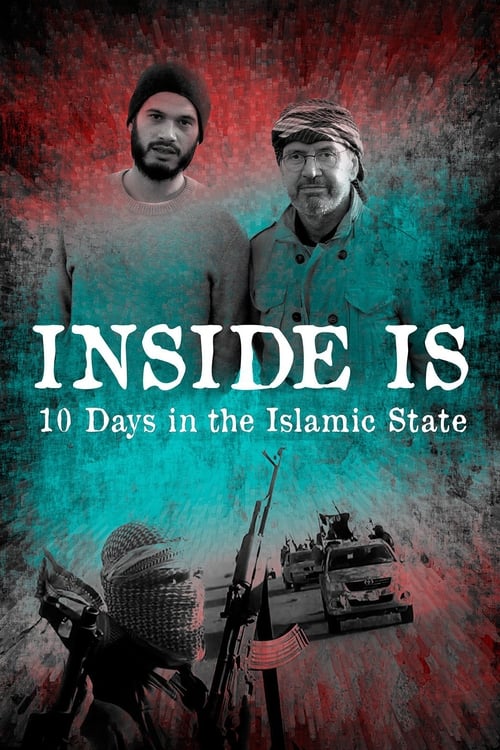
Inside IS: 10 Days in the Islamic State
2016
No user ratings available yet
Representation score: 3.0 out of 10

Representation Score
Limited
2016
PG-13Director
Patrick Forestier
Runtime
52 minutes
Average Rating
No ratings yetNew Showbiz Analysis
This investigative documentary excels in racial and ethnic authenticity by centering the voices of those directly affected by the conflict. By focusing on local populations in Nigeria, Cameroon, and Niger, it avoids a purely Western-centric perspective. However, the film's focus on a humanitarian and security crisis limits its multi-layered depth. The narrative lacks representation for LGBTQ+ identities and treats gendered subjects primarily through the lens of victimization. Ultimately, the work prioritizes geopolitical documentation over social subversion, resulting in a high degree of regional authenticity but limited representation of diverse social issues.
Category Breakdown
The documentary focuses on geopolitical conflict and religious extremism. It lacks any visible representation of LGBTQ+ characters or non-straight relationships.
The narrative centers on the kidnapping of schoolgirls, highlighting the gendered nature of violence. However, women are primarily depicted as victims rather than active participants in the story.
The film achieves high marks by centering African actors, victims, and troops. It prioritizes local ability to act by investigating the conflict within Nigeria, Cameroon, and Niger.
The film explores the tension between religious fundamentalism and existing social structures. It frames Sharia law imposition as a destabilizing humanitarian and security crisis.
There is no mention of subjects or characters with visible or invisible disabilities within the film's scope.
Present on Screen
Limited or Absent
Official Synopsis
Last month, 82 Nigerian schoolgirls were released after 3 years of imprisonment. In exchange, 5 terrorist leaders walked free - These leaders belong to Boko Haram, the most bloodthirsty terrorist group on the planet. The group gained global notoriety after their kidnapping of 276 students in 2014, over 100 of which have not yet been released. Their objective: to establish a Caliphate and impose sharia - Islamic law - in the heart of Africa. In an attempt to understand who these terrorists are, how they operate, and what kind of a threat they represent to Africa and the rest of the world, we have investigated in Nigeria, Cameroon and on the border of Niger and Nigeria, meeting former prisoners, repented jihadists and troops on the frontline.
2016
2019
2011

2012
2015

2013

2016

2018
No reviews yet. Be the first to share your thoughts on this movie!
Use the rating form above to leave a star rating and optional review.