
The Phantom Wagon
1939
No user ratings available yet
Representation score: 0.7 out of 10
Representation Score
Minimal
1941
Director
Gösta Roosling
Runtime
12 minutes
Average Rating
No ratings yetNew Showbiz Analysis
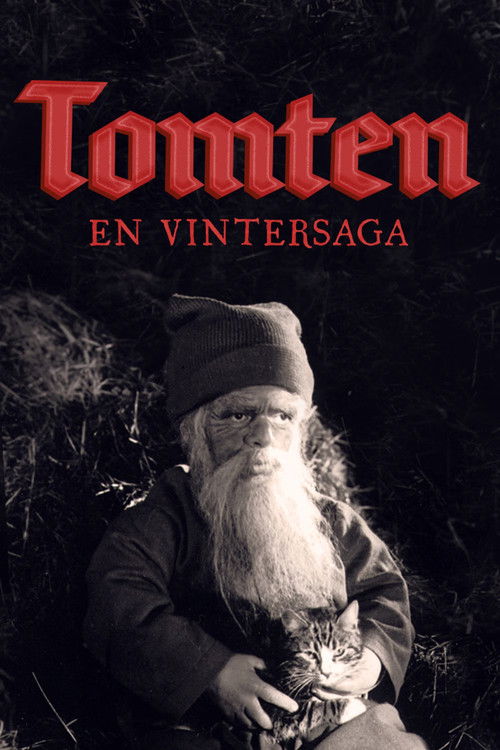
Tomten: A Winter Tale is a traditional cultural artifact rooted in Swedish seasonal mythology. It functions as a preservation of classical folklore rather than a vehicle for social commentary. The narrative structure reinforces established social and mythological hierarchies. It adheres to the cultural norms of early 20th-century Scandinavia, focusing on domesticity and ritual. Because the film predates modern frameworks for inclusive representation, it lacks intentionality regarding progressive representation. It serves primarily to adapt Viktor Rydberg’s poetry for the screen.
Category Breakdown
The film does not depict any non-straight relationships or gender identities. It stays within a traditional folkloric framework.
The story likely relies on conventional gender roles common to the era. It focuses on domestic stability and seasonal rituals rather than challenging social structures.
As a 1941 Swedish production, the film reflects a homogeneous cultural landscape. It conforms to the demographic norms of its time and location.
The film is deeply embedded in Western seasonal traditions and Christmas folklore. It promotes traditional values of stewardship and domesticity.
There is no documented evidence regarding the portrayal of neurodivergence or physical disabilities in this work.
Present on Screen
Limited or Absent
Official Synopsis
A story about a house elf (tomte) preparing the stable for Christmas. Inspired by the famous poem by the Swedish writer Viktor Rydberg.
1939
2007
1964
1938
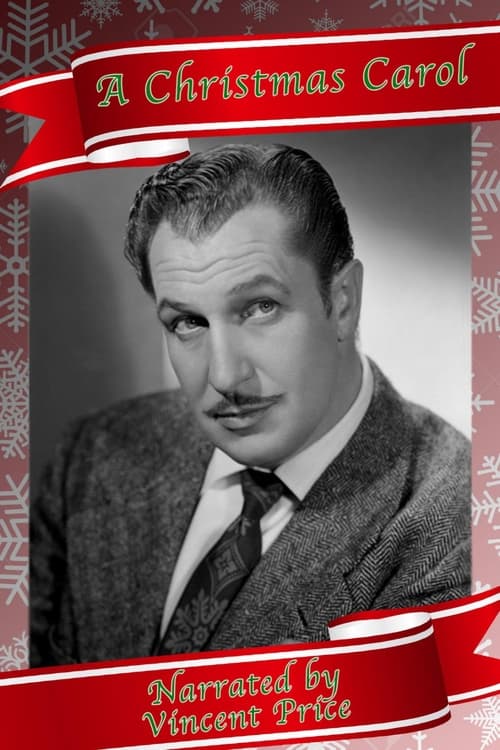
1949
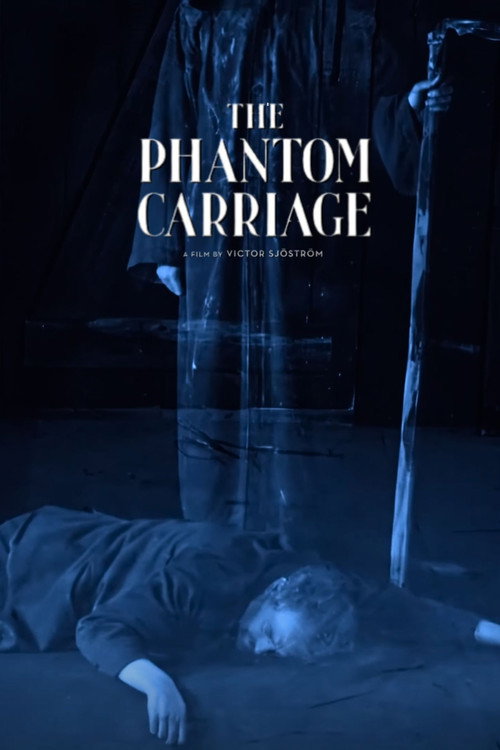
1921
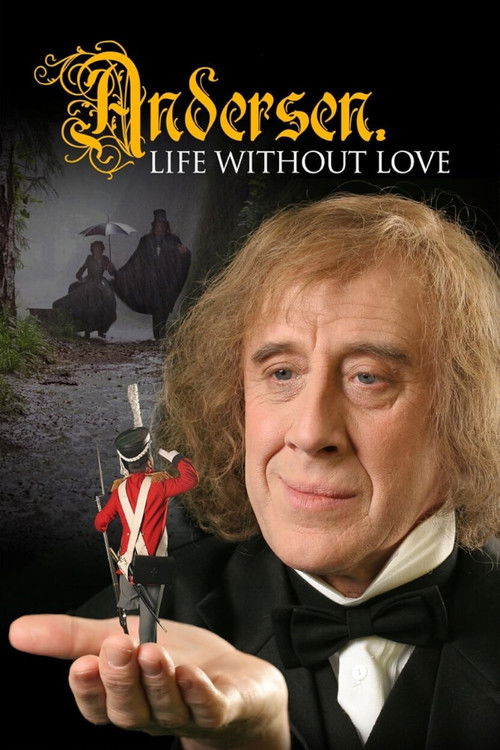
2006
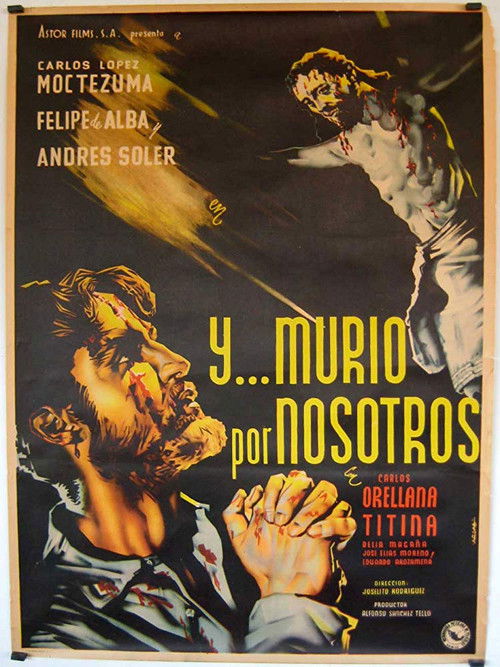
1951
No reviews yet. Be the first to share your thoughts on this movie!
Use the rating form above to leave a star rating and optional review.