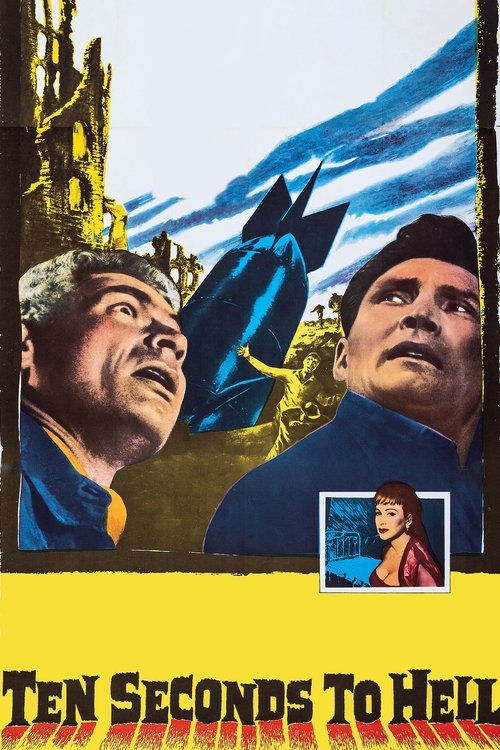
Ten Seconds to Hell
1959
No user ratings available yet
Diversity score: 2.6 out of 10

2019
Not RatedDirector
Callum Burn
Runtime
98 minutes
Average Rating
No ratings yetSynopsis
Douglas, a broken, solitary, Spitfire Ace, must overcome his past to lead a Lancaster bomber crew in the pivotal aerial war over Berlin, in 1944.
Overall Score
Limited
Category Breakdown
LGBTQ+ Representation
The film adheres to the social constraints of 1944. There is no evidence of non-cisnormative identities or same-sex intimacy depicted in the narrative.
Gender Representation
The story centers on a male-dominated military hierarchy. It explores the vulnerability of the male psyche but lacks prominent female agency within the combat narrative.
Racial & Ethnic Diversity
The setting reflects the homogeneous demographic norms of the era. There is no indication of a non-Anglo-Saxon majority cast in the core bomber crew.
Religious & Cultural Diversity
The film focuses on the psychological toll of war within a traditional Western historical framework. It does not overtly critique military or patriotic institutions.
Disability Representation
The protagonist battles inner demons and psychological trauma following his brother's death. It remains unclear if this trauma provides agency or serves as a plot device.
Strengths
Areas for Improvement
AI Analysis
Lancaster Skies operates as a traditional period drama that prioritizes historical homage over contemporary intersectional complexity. The narrative focuses on the individualist struggle and psychological weight of duty within a rigid military environment. The film follows the cinematic conventions of the mid-20th century, mirroring the demographic and social norms of the 1940s. While it attempts to offer psychological depth through the protagonist's grief, it does not disrupt conventional expectations regarding identity or systemic power dynamics. Ultimately, the representation is characteristic of a standard wartime narrative, emphasizing the internal battle of a single soldier rather than a diverse ensemble or a subversion of established social hierarchies.
1959
1983
1930

2016
No reviews yet. Be the first to share your thoughts on this movie!
Use the rating form above to leave a star rating and optional review.