The Angry Hills
1959
No user ratings available yet
Diversity score: 3.7 out of 10
1959
NRDirector
Robert Aldrich
Runtime
93 minutes
Average Rating
No ratings yetSynopsis
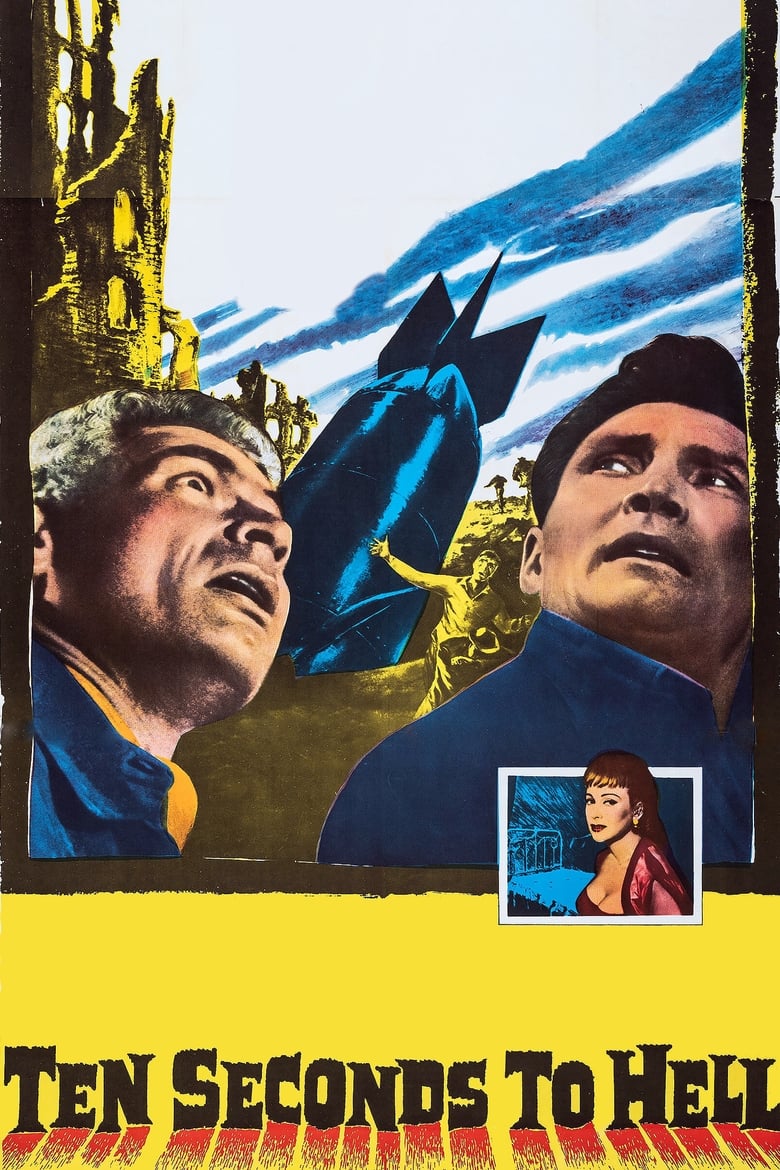
Two rivals from a German bomb squad are left to deactivate duds in postwar Berlin.
Overall Score
Limited
Category Breakdown
LGBTQ+ Representation
The film lacks any evidence of non-heteronormative identities. The narrative focuses strictly on professional rivalry within a technical, military-adjacent context.
Gender Representation
The story centers on a male-dominated profession in postwar Berlin. There is no indication of female characters possessing agency or subverting traditional gendered occupational tropes.
Racial & Ethnic Diversity
Set in postwar Berlin, the plot focuses on German specialists. This suggests a lack of significant racial or ethnic intersectionality within the central conflict.
Religious & Cultural Diversity
The setting engages with the collapse of traditional structures in postwar Germany. It explores situational ethics and professional survival amidst the vacuum of fallen regimes.
Disability Representation
There is no evidence of characters with visible or invisible disabilities serving as central narrative drivers or plot devices.
Strengths
Areas for Improvement
AI Analysis
Ten Seconds to Hell is a mid-century genre piece defined by the high-stakes tension of postwar reconstruction. The narrative architecture relies on the professional rivalry between German bomb squad members, which limits the scope of social representation. While Robert Aldrich's history suggests an interest in complex power dynamics, the film appears to operate within the conventional demographic constraints of 1959. The focus remains on localized European conflict rather than intersectional storytelling. Ultimately, the film prioritizes immediate physical stakes and technical tension over the exploration of diverse identities or the subversion of established social hierarchies.
No reviews yet. Be the first to share your thoughts on this movie!
Use the rating form above to leave a star rating and optional review.