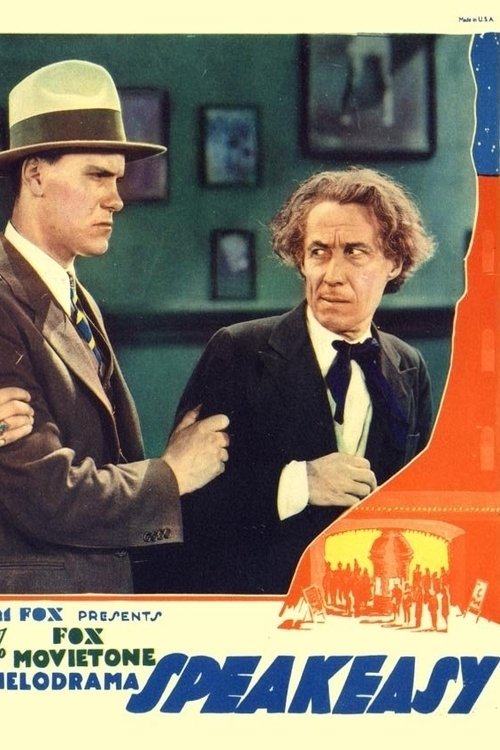
Speakeasy
1929
No user ratings available yet
Representation score: 1.0 out of 10
Representation Score
Limited
1927
PassedDirector
Howard Bretherton
Runtime
70 minutes
Average Rating
No ratings yetNew Showbiz Analysis
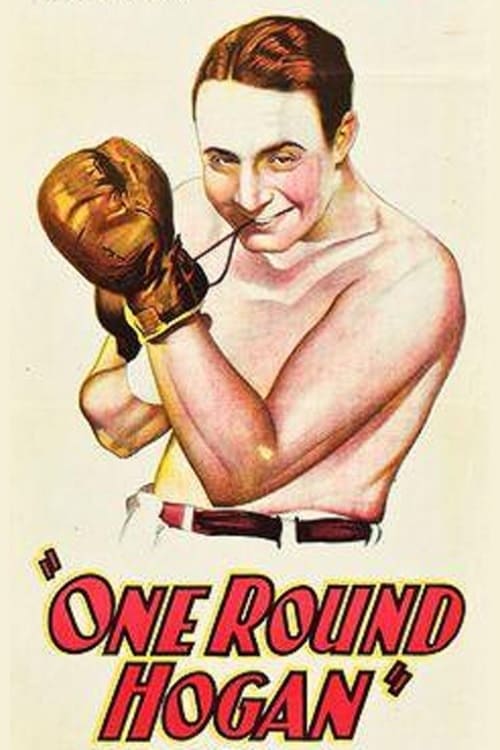
One-Round Hogan is a classic product of its era, a traditional action-drama centered on physical prowess. The narrative follows a standard heavyweight prizefighter arc, emphasizing a singular hero's struggle with grief and honor. The film adheres strictly to the established social and narrative norms of the 1920s. It lacks depth in representing diverse identities, focusing instead on a singular hero's journey.
Category Breakdown
There are no LGBTQ+ characters or narratives in the film. It follows the traditional heterosexual norms of 1927 action cinema.
The story centers around a male protagonist and traditional masculine archetypes. Women do not play roles that challenge gender hierarchies.
The film reflects the homogeneous casting patterns typical of the 1920s. There are no non-white or non-Anglo-Saxon leads.
Themes focus on individual honor and duty within a sporting context. The narrative does not address anti-Western or secularist critiques.
The plot focuses on heavyweight boxing and physical combat. There are no characters with visible or invisible disabilities.
Present on Screen
Limited or Absent
Official Synopsis
"One-Round' Hogan is a heavyweight prizefighter with a knockout punch contending for a championship bout who, because of the death of a friend, almost wrecks his own career by holding back.
1929
1975
1992
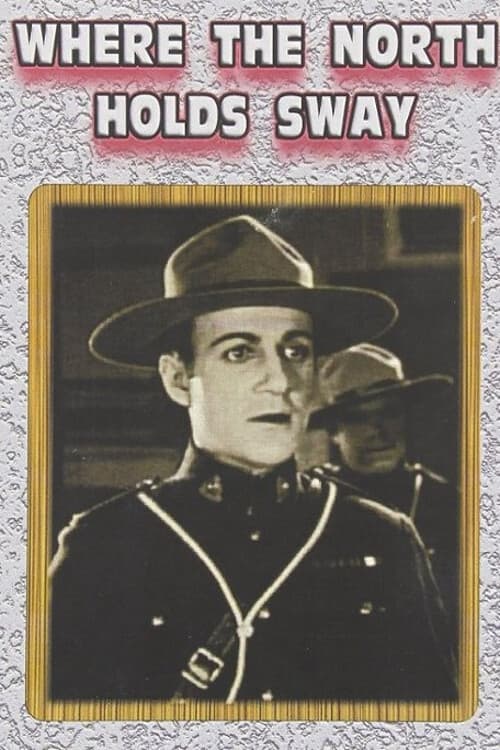
1927
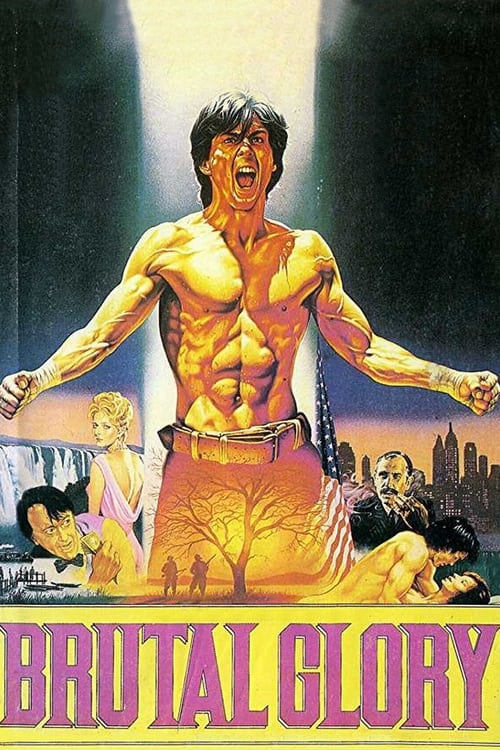
1989
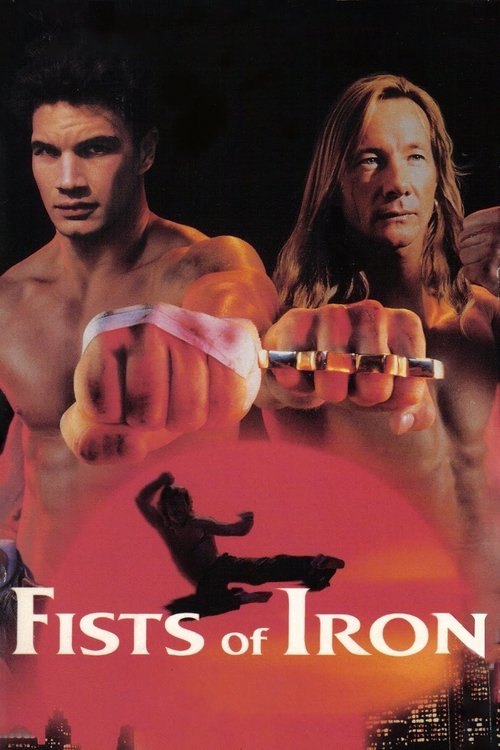
1995

1933
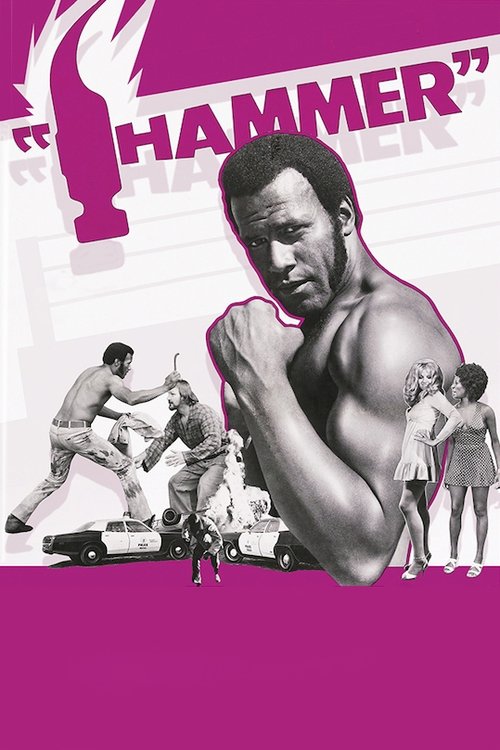
1972
No reviews yet. Be the first to share your thoughts on this movie!
Use the rating form above to leave a star rating and optional review.