The Last Tree
2019
No user ratings available yet
Representation score: 8.7 out of 10
Representation Score
Good
2018
RDirector
Adewale Akinnuoye-Agbaje
Runtime
107 minutes
Average Rating
No ratings yetNew Showbiz Analysis
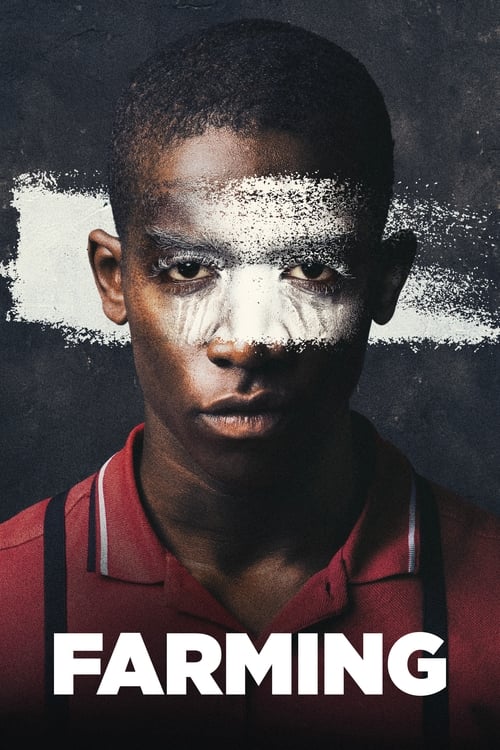
Farming is a powerful, semi-autobiographical examination of post-colonial displacement. It succeeds by centering the Black immigrant experience, using the protagonist's journey to critique the exclusionary nature of British identity during the 1970s. However, the film's scope is narrow. It remains heavily tethered to masculine archetypes and patriarchal structures, which limits the presence and influence of female characters. The narrative focus on racialized gang dynamics also results in a lack of LGBTQ+ and disability representation. Ultimately, the film trades breadth for depth. While it misses opportunities to explore diverse identities beyond race and gender, its sophisticated deconstruction of systemic oppression makes it a vital piece of storytelling.
Category Breakdown
The film focuses on racial and class tensions in 1970s London. It lacks significant LGBTQ+ characters or narratives that challenge traditional views of sexuality and gender.
The story operates within a rigid patriarchal framework centered on masculine aggression and brotherhood. It explores male vulnerability but provides little role to female characters or challenges to gender hierarchies.
The film provides a nuanced study of the Black immigrant experience. By centering a Black protagonist in a hostile environment, it offers a profound critique of colonial-era social structures.
The narrative offers a deep post-colonial critique of British identity. It portrays the protagonist's descent into skinhead culture as a direct response to systemic social exclusion and oppression.
There is no significant focus on visible or invisible disabilities. The narrative preoccupation with racial and socioeconomic survival leaves little room for exploring neurodivergence or physical disability.
Present on Screen
Limited or Absent
Official Synopsis
Based on the writer/director's childhood, FARMING tells the story of a young Nigerian boy, 'farmed out' by his parents to a white British family in the hope of a better future. Instead, he becomes the feared leader of a white skinhead gang.
2019
2017

2009
2017
2018
1994

2019

2017
No reviews yet. Be the first to share your thoughts on this movie!
Use the rating form above to leave a star rating and optional review.