Scream Farm
2008
No user ratings available yet
Diversity score: 2.8 out of 10
2003
Director
Miguel Ángel Vivas
Runtime
20 minutes
Average Rating
No ratings yetSynopsis
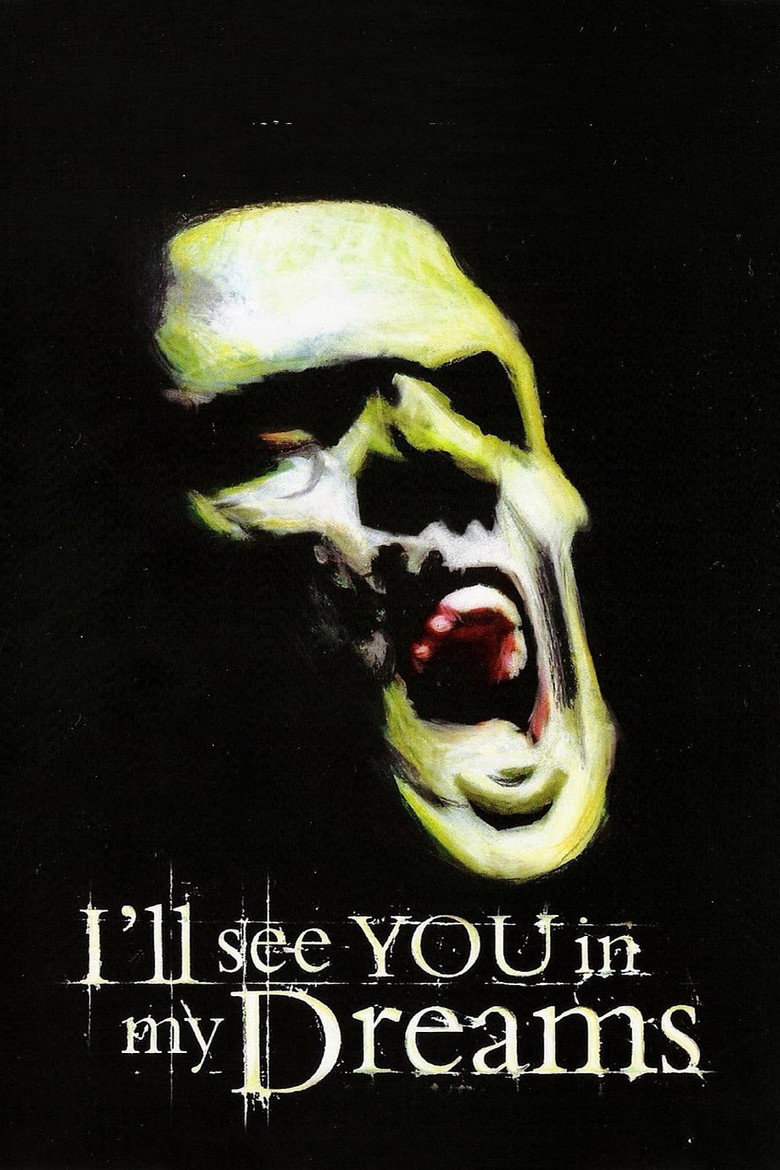
The film is set in a small rural town that is haunted by the undead. Only one man seems to be able to stop them, and that is Lúcio, a worker whose wife recently turned into a zombie, forcing him to keep her locked in the basement. In a local tavern he finds a second shot at true love, but this blooming romance is threatened by the situation plaguing the town.
Overall Score
Limited
Category Breakdown
LGBTQ+ Representation
The film follows a heteronormative romantic arc centered on the protagonist. There are no visible non-cisnormative identities or narratives that challenge traditional sexual orientations.
Gender Representation
Agency is concentrated in the male lead, Lúcio. Female characters serve as emotional stakes, acting either as a burden to be managed or as romantic motivation for the hero.
Racial & Ethnic Diversity
The rural setting suggests a potentially homogeneous demographic. The narrative lacks specific character descriptions that indicate a diverse or non-Anglo-Saxon population.
Religious & Cultural Diversity
The plot focuses on personal tragedy and the preservation of the domestic sphere. It lacks themes that critique Western or traditional social structures.
Disability Representation
The wife's undead state is used as a supernatural horror device. This functions as a plot catalyst rather than a nuanced exploration of physical or mental disability.
Strengths
Areas for Improvement
AI Analysis
The film operates within the conventional boundaries of early 2000s horror. It prioritizes individual survival and romantic tropes over any meaningful intersectional representation or social critique. Narrative agency is heavily skewed toward the male protagonist, while female characters are defined by their relationships to him. This creates a traditional gender hierarchy common in the genre. Ultimately, the film utilizes supernatural elements like the undead to drive personal drama rather than to explore broader social or cultural complexities.
2008
1967
1990
2001
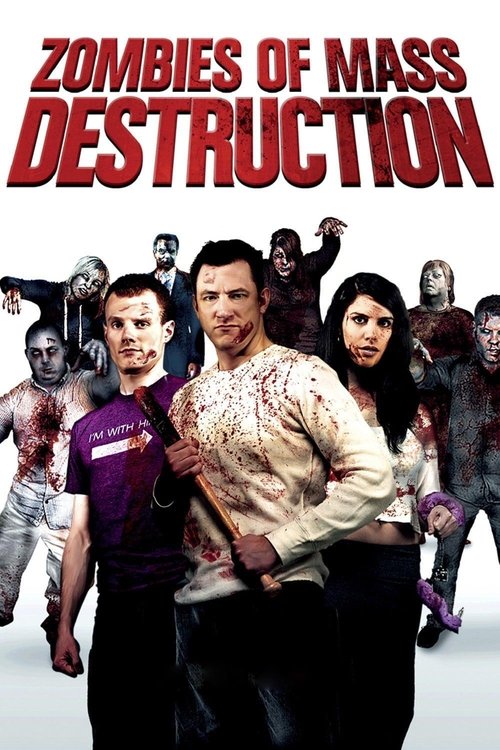
2010
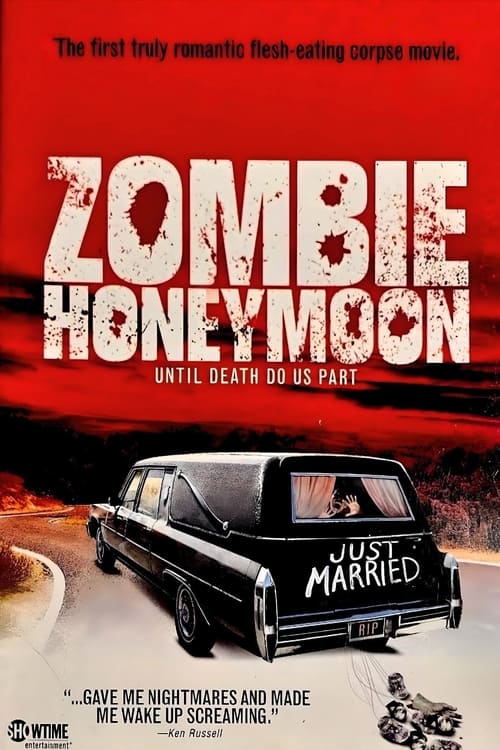
2004
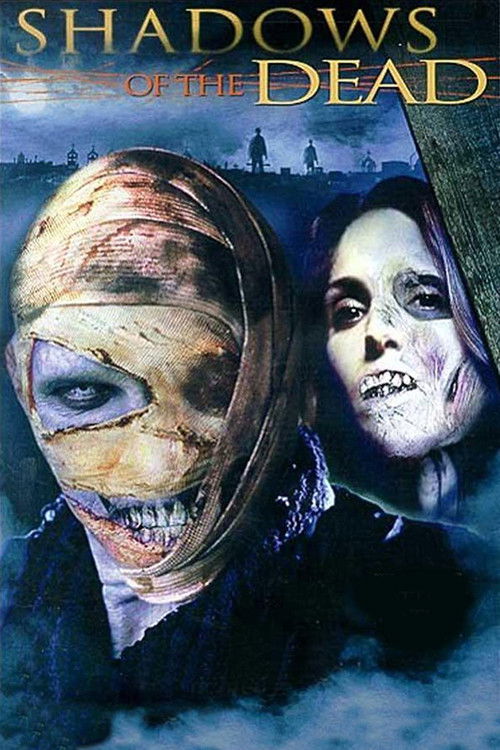
2004
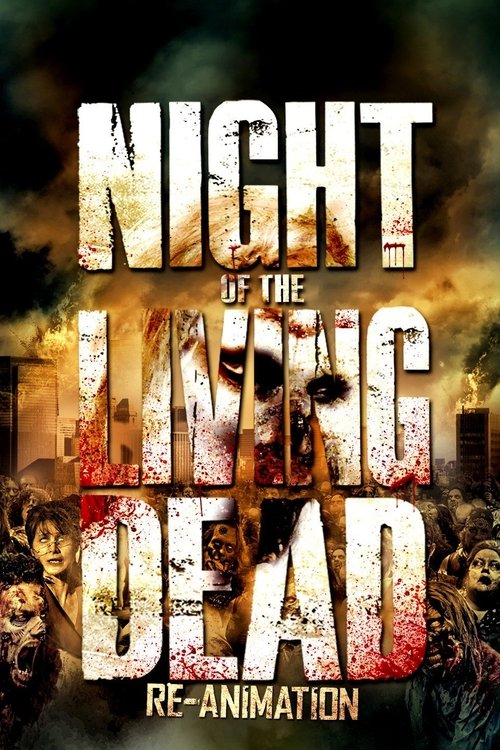
2012
![Movie poster for [REC]³ Genesis](https://image.tmdb.org/t/p/w500/tI1534q0Up7PBcLdXdFerLmIXn3.jpg)
2012
1987
2001
1973
No reviews yet. Be the first to share your thoughts on this movie!
Use the rating form above to leave a star rating and optional review.