The Bloodstained Bride
2006
No user ratings available yet
Representation score: 3.9 out of 10
Representation Score
Fair
2004
Not RatedDirector
David Gebroe
Runtime
83 minutes
Average Rating
No ratings yetNew Showbiz Analysis
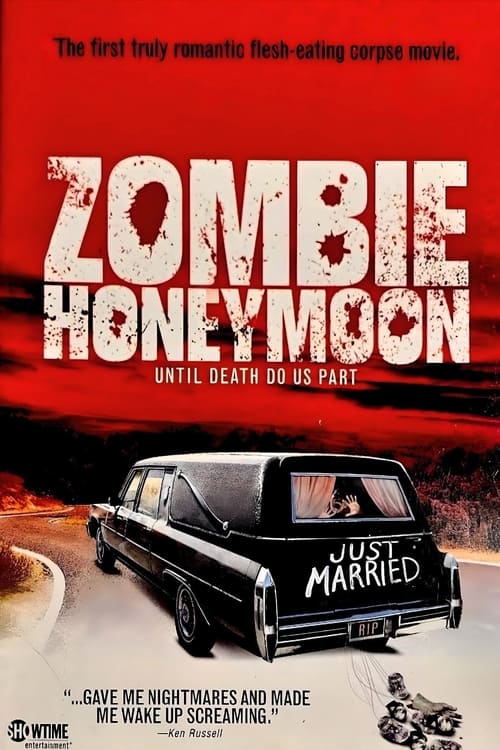
Zombie Honeymoon explores devotion while subverting standard horror clichés. Though it lacks diverse representation, it excels in shifting the narrative focus away from the damsel-in-distress archetype. However, the film remains confined within traditional cinematic boundaries due to its narrow demographic focus and lack of LGBTQ+ representation.
Category Breakdown
The film focuses on a heterosexual couple with no visible queer romantic relationships or non-cisgender identities.
Denise challenges traditional gender roles by taking an active protective role during the crisis, rather than being a passive victim.
The cast primarily consists of characters from a conventional Western demographic in a New Jersey setting, with no indication of a non-white majority or race-bent casting.
The story explores moral relativism through the lens of devotion, challenging social norms by framing cannibalism as an act of extreme emotional loyalty.
Danny's reanimation symbolizes a profound, non-normative biological state, focusing on the complexities of caring for a partner with life-altering physiological needs.
Present on Screen
Limited or Absent
Official Synopsis
Zombie Honeymoon is a gore-soaked exploration of how far the boundaries of true love can be pushed without reaching a breaking point.
2006
2022
2008
2011

2004
2014
2009
2005
No reviews yet. Be the first to share your thoughts on this movie!
Use the rating form above to leave a star rating and optional review.