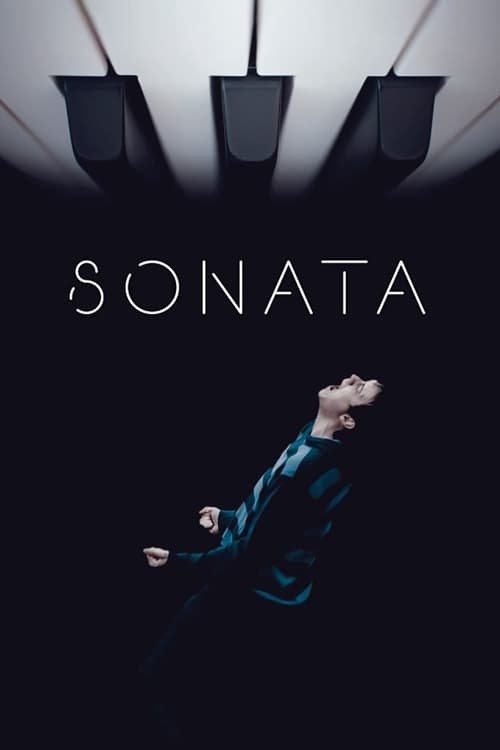
Sonata
2022
No user ratings available yet
Representation score: 6.5 out of 10
Representation Score
Good
2024
Director
Marco Tullio Giordana
Runtime
100 minutes
Average Rating
No ratings yetNew Showbiz Analysis
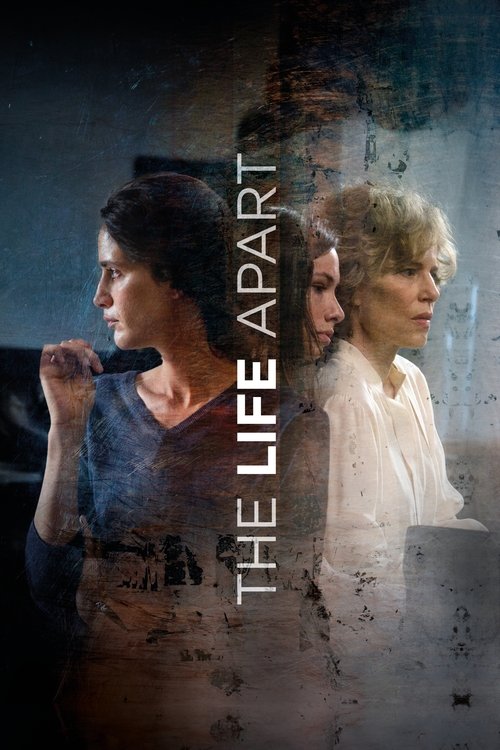
The Life Apart is a sophisticated character study that dismantles the idealized notion of the nuclear family. By focusing on a mother's rejection of her child and an aunt's unconventional caretaking, the film deviates from typical domestic narratives. The film excels in its nuanced portrayal of physical differences and gendered expectations. Instead of using the protagonist's birthmark merely as a plot device for trauma, the narrative highlights her individual competence and musical ability to act. While the film does not explicitly feature LGBTQ+ or multi-ethnic characters, it challenges traditional social roles and the biological imperative of caretaking, offering a thoughtful exploration of identity.
Category Breakdown
There are no explicit LGBTQ+ characters or non-straight relationships in the film. An aunt's caretaking is the closest to an unconventional family structure, but no queer identities are confirmed.
The film challenges traditional maternal roles by showing a mother who rejects her social and biological responsibilities. Female empowerment is highlighted through the aunt's professional success and the daughter's musical growth.
Set in 1980s Vicenza, Italy, the film suggests a predominantly white cast. There is no indication of significant racial diversity or multi-layered casting.
The story questions traditional family structures by depicting them as sources of psychological distress. It emphasizes individual achievement and musical destiny over religious or cultural traditions.
The main character's identity is marked by a visible facial birthmark. The film avoids the pitfall of pity by focusing on her ability to act through her musical talent and resilience.
Present on Screen
Limited or Absent
Official Synopsis
In Vicenza, a beautiful Italian art city, a young wealthy couple joyfully welcomes the birth of a long-awaited daughter in the early 1980s. But the child’s face is disfigured by a red birthmark that covers half her face. This spot haunts the mother to the point that she rejects her responsibilities as a mother. The child’s aunt, a famous concert pianist, takes over her education, thus discovering her exceptional musical talent.
2022
2006
2024

2022
1988
1998
2007

2015
No reviews yet. Be the first to share your thoughts on this movie!
Use the rating form above to leave a star rating and optional review.