
Marina
2013
No user ratings available yet
Representation score: 3.9 out of 10
Representation Score
Good
2007
Director
Koji Hagiuda
Runtime
120 minutes
Average Rating
No ratings yetNew Showbiz Analysis
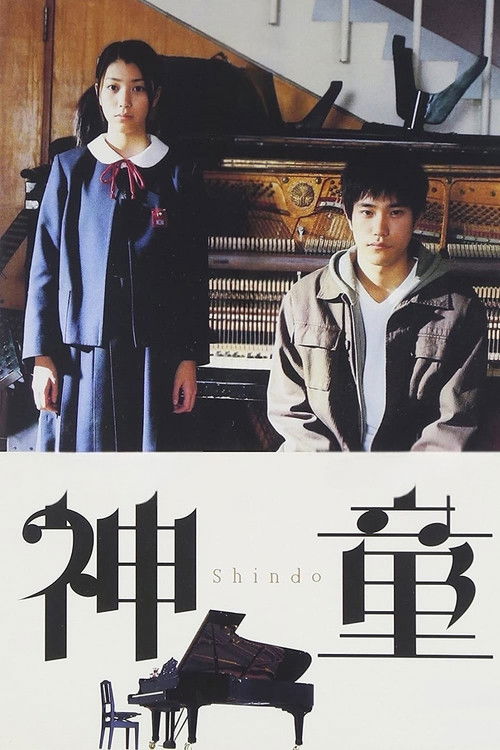
Prodigy (2007) is a character-driven drama that finds its strength in subverting traditional gender roles and exploring socioeconomic shifts. By centering on a female protagonist whose talent acts as a source of domestic tension rather than pure joy, the film avoids common musical clichés. However, the film's scope is relatively narrow. It lacks explicit representation of LGBTQ+ identities or multi-ethnic casting, focusing instead on localized Japanese social structures and class dynamics. Ultimately, the film offers a sophisticated look at how talent and class instability shape identity, even if it remains limited in its broader reach.
Category Breakdown
The film lacks explicit evidence of LGBTQ+ characters or stories that go beyond assuming everyone is straight or cisgender. The story focuses primarily on the relationship between two central musical figures.
Naruse Uta serves as a strong female lead whose musical talent drives the plot. The film challenges traditional gender roles by positioning her as the catalyst for change over the less driven male counterpart.
As a localized Japanese production, the film focuses on internal social stratification. It explores class mobility through the protagonist's move from a posh home to a working-class neighborhood.
The narrative deconstructs the idealized family unit by exploring the fallout of a father's disappearance. It offers a nuanced view of excellence, framing talent as a burden rather than a triumph.
The protagonist is described as 'unique,' which may hint at neurodivergence or atypical cognitive processing. However, no specific physical or neurodivergent disabilities are explicitly confirmed.
Present on Screen
Limited or Absent
Official Synopsis
Naruse Uta is a "unique" 13 year old child. She possessed the talent to read sheet music even before she could speak, but has now come to the point where she hates playing the piano. Her father was also a piano virtuoso, but mysteriously disappeared from her life at a young age. Because of her father's disappearance Uta's mother had to move out of their posh home and into a far modest working class neighborhood. In this working class neighborhood there is a local grocer. The grocer's son Kikuna Oto happens to be a budding musician, but lacks the drive to truly succeed. That is until Uta Naruse comes into his life...
2013

2015

2016

2006

2006

2014

2008

2015
No reviews yet. Be the first to share your thoughts on this movie!
Use the rating form above to leave a star rating and optional review.