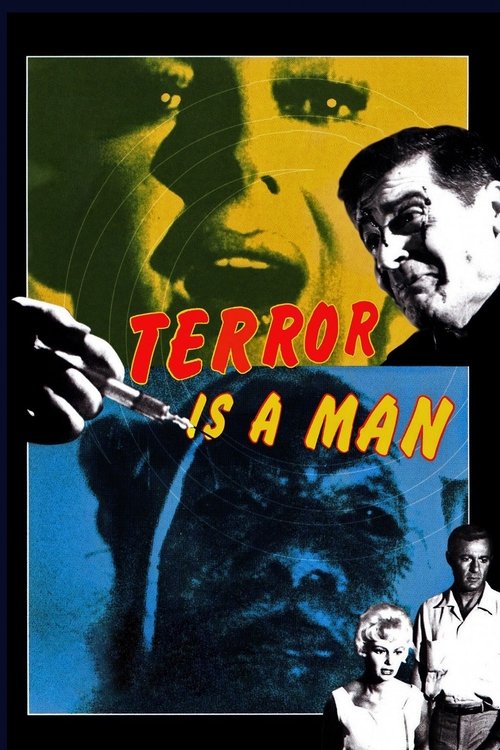
Terror Is a Man
1959
No user ratings available yet
Diversity score: 4.8 out of 10

1985
Director
Leong Po-Chih
Runtime
92 minutes
Average Rating
No ratings yetSynopsis
John Shum leads an expedition to an supposedly deserted island only to find out that it's inhabited by a group of seriously demented characters, lead by Peter Chan Lung. This is a family that stays together, slays together and when the youngest one is refused in marriage to one of the young girls of the troupe they turn into savage maniacs.
Overall Score
Fair
Category Breakdown
LGBTQ+ Representation
The film lacks any documented evidence of queer narratives or non-cisnormative identities. It focuses instead on traditional, fractured communal and familial structures.
Gender Representation
Gender roles align with traditional 1980s rural Taiwanese hierarchies. The story explores social rejection regarding marriage but does not subvert patriarchal power dynamics or prioritize female agency.
Racial & Ethnic Diversity
The production excels in localized authenticity by centering a Taiwanese cast. It avoids the outsider gaze, prioritizing indigenous social realities over Westernized archetypes.
Religious & Cultural Diversity
The narrative critiques traditional institutions by showing how rigid social refusals can trigger chaos. It offers a nuanced view of communal stability through a non-Western lens.
Disability Representation
While the film features demented characters, it is unclear if these portrayals possess agency. They may simply function as genre-based tropes within the horror setting.
Strengths
Areas for Improvement
AI Analysis
The film is a significant work of the Taiwanese New Wave that succeeds by de-centering the Western gaze. Its primary strength lies in its authentic cultural grounding and its commitment to localized, realist narratives rather than commercial escapism. However, the film remains tethered to traditional social hierarchies. It does not actively work to subvert gendered power structures or include diverse sexual identities, keeping the focus on established patriarchal family units. Ultimately, the film uses the horror genre to examine the fragility of social contracts. It provides a sophisticated critique of communal stability through a specific regional lens.
1959
1996
1983
2011
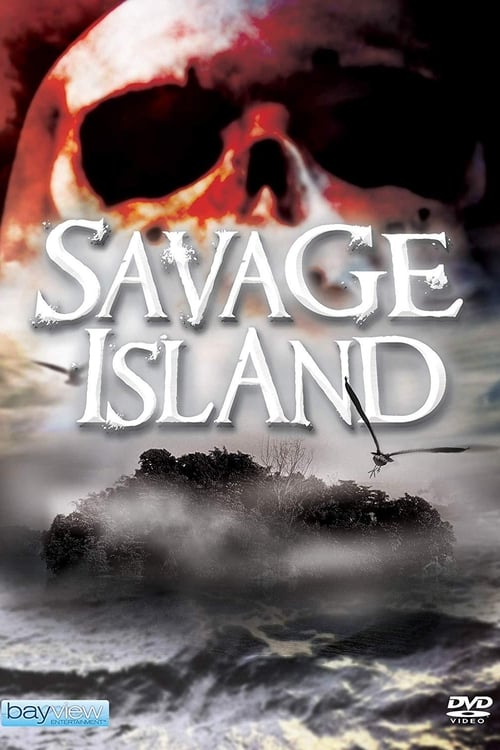
2004
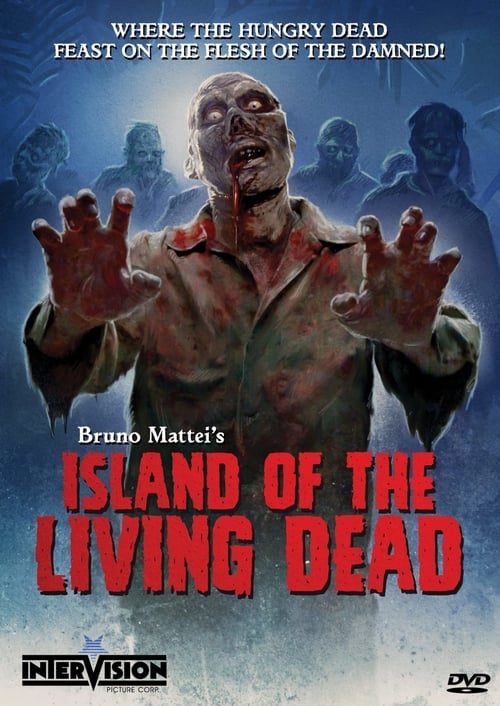
2007
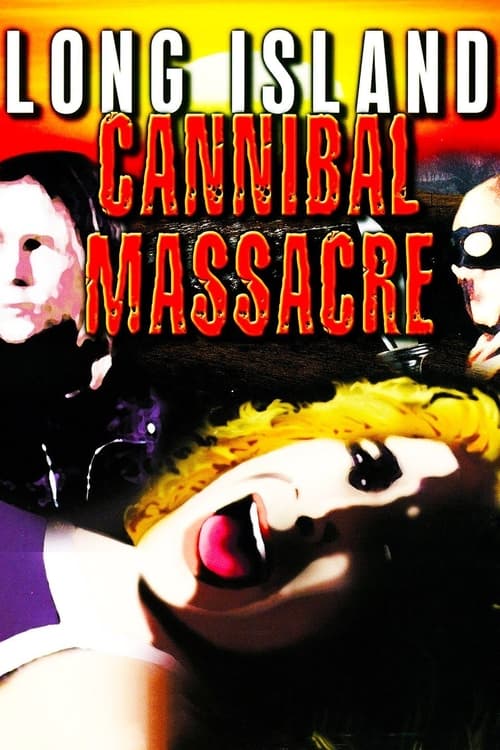
1980
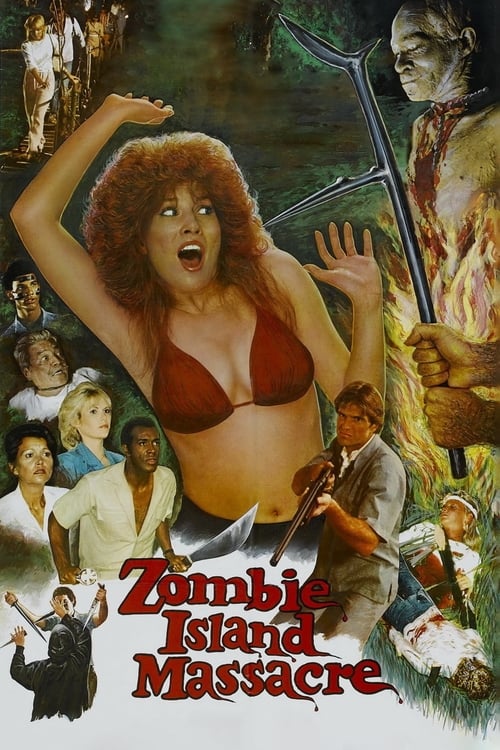
1984
1994
1982

1984
1992
No reviews yet. Be the first to share your thoughts on this movie!
Use the rating form above to leave a star rating and optional review.