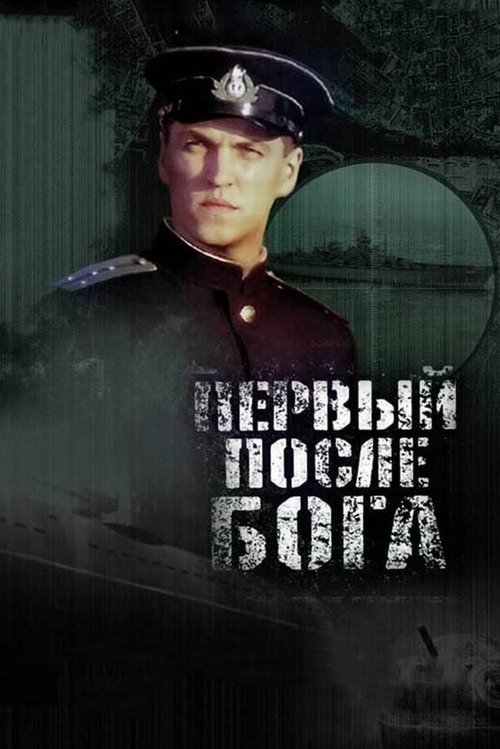
The First After God
2005
No user ratings available yet
Representation score: 3.6 out of 10
Representation Score
Limited
1988
Director
Donald Crombie
Runtime
208 minutes
Average Rating
No ratings yetNew Showbiz Analysis
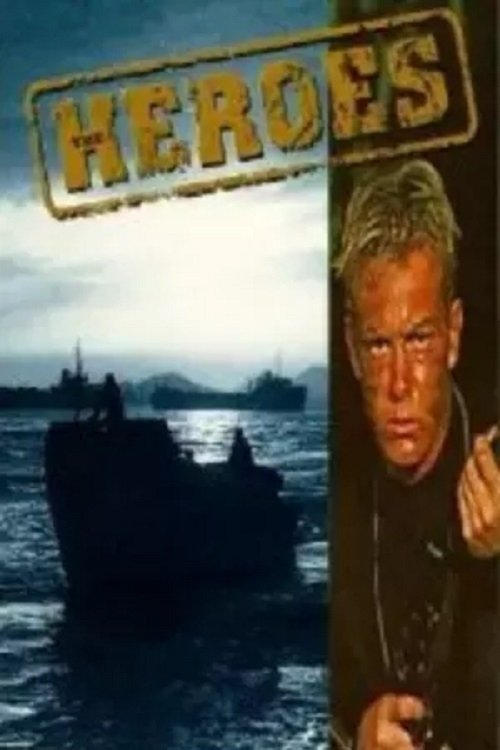
The Heroes is a traditional historical war drama that prioritizes period-specific authenticity over modern characters who reflect more than one aspect of diversity. It follows a classic heroic journey archetype centered on a cohesive unit of 14 men during Operation Jaywick. The film’s narrative is built upon conventional masculine ideals and nationalist themes, functioning as a documented exploration of a specific historical event rather than a tool for social disruption. Ultimately, the work adheres to the social structures of the 1940s, offering a narrow but historically grounded view of wartime camaraderie.
Category Breakdown
The film focuses on a group of 14 men and does not include any queer-coded narratives or non-cisgender identities.
The story centers on traditional masculine hierarchies and lacks women's ability to drive the story or any subversion of 1940s gender roles.
It portrays heroism through a predominantly Anglo-Saxon perspective, without incorporating diverse non-Anglo-Saxon viewpoints.
The film explores patriotism and national service through a Western lens, emphasizing traditional values of institutional loyalty and collective sacrifice.
There is no mention of characters dealing with physical or neurodivergent disabilities, focusing solely on maritime combat and physical survival.
Present on Screen
Limited or Absent
Official Synopsis
Based on a true story, The Heroes follows one of the most extraordinary and heroic exploits of World War II. After months of rigorous training in the north of Australia, a team of 14 men, most barely out of their teens, set sail from Cairns on board a leaky old fishing boat called 'The Krait'. Their mission, code-named Operation Jaywick, became a tense voyage through thousands of kilometres of Japanese held territory to launch a daring attack on Singapore Harbour. The raid is a success but within sight of safety they encounter a Japanese destroyer, and all prepare to die rather than be taken prisoner.
2005
1955
2009
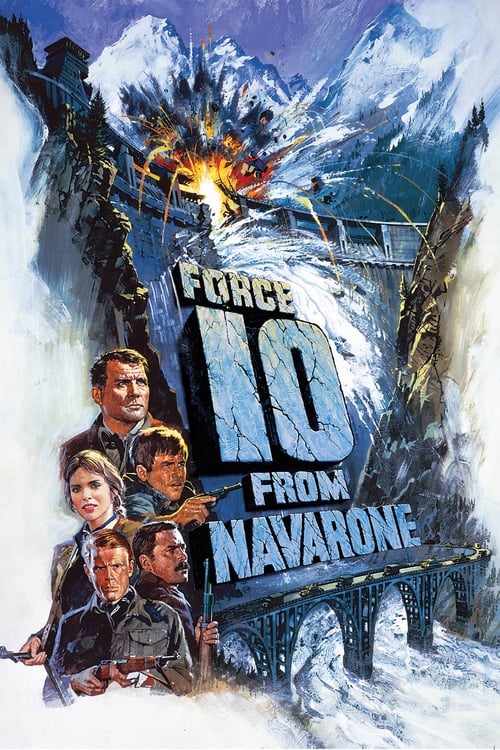
1978
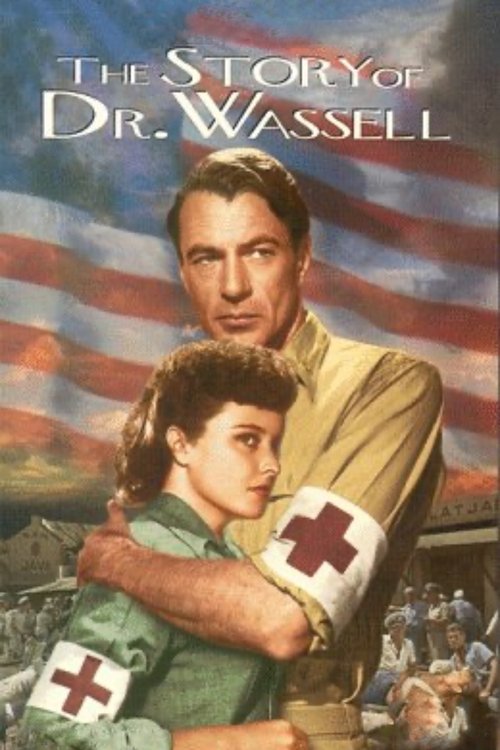
1944
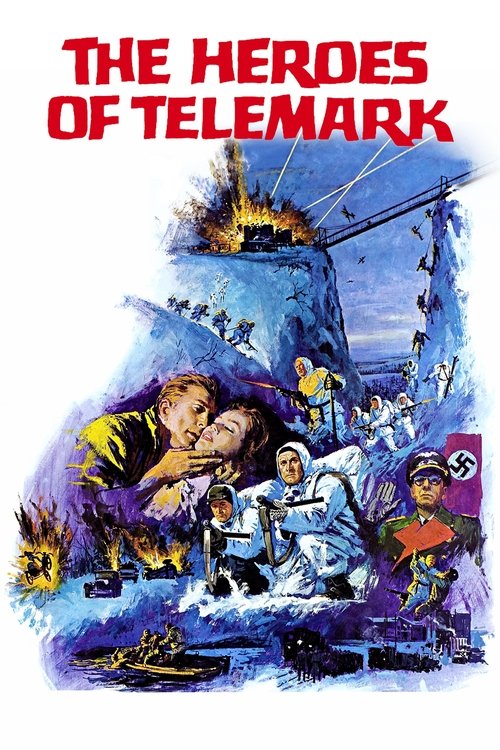
1965
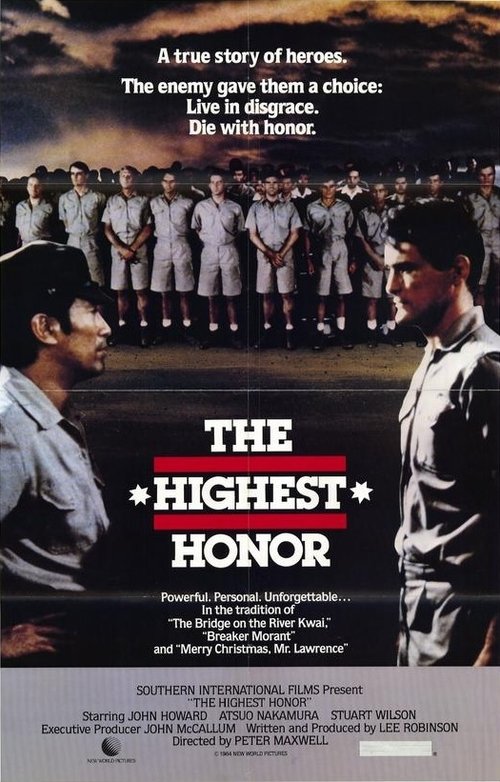
1982
2005
No reviews yet. Be the first to share your thoughts on this movie!
Use the rating form above to leave a star rating and optional review.