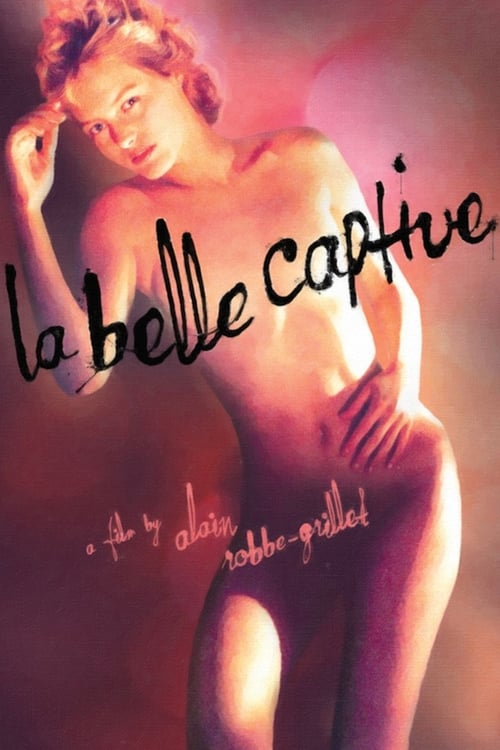
The Beautiful Prisoner
1983
No user ratings available yet
Representation score: 6.5 out of 10
Representation Score
Fair
1977
Director
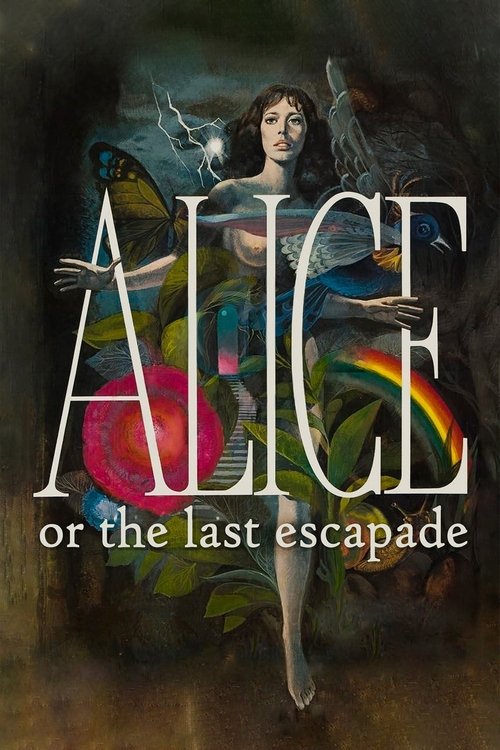
Claude Chabrol
Runtime
93 minutes
Average Rating
No ratings yetNew Showbiz Analysis
Claude Chabrol’s film is a psychological study that prioritizes the deconstruction of the individual over systemic demographic representation. It succeeds in challenging the stereotype of the passive female lead by giving Alice significant, though erratic, influence. However, the film remains deeply rooted in a homogeneous European demographic framework. The lack of racial, ethnic, or LGBTQ+ diversity contributes to a lower overall score. Ultimately, the work explores identity and social instability through a narrow, traditional lens, focusing on the fragmentation of the self rather than a broad spectrum of human experience.
Category Breakdown
The story focuses on traditional romantic relationships and domestic instability. There is no presence of LGBTQ+ identities or critiques of heterosexuality.
The film centers on the psychological development of Alice, whose erratic behaviors challenge the stereotype of the passive female lead in domestic dramas.
The cast is primarily white and European, reflecting the French provincial setting. There is no evidence of diverse ethnic backgrounds among the main characters.
The narrative employs postmodern techniques to question objective truth through psychological breakdown. It critiques the stability of middle-class life and established social norms.
Psychological instability is a central theme rather than a condition of neurodivergence. No characters with disabilities are used as plot devices.
Present on Screen
Limited or Absent
Official Synopsis
One night Alice can't stand her husband anymore and she decides to leave him. It's a dark, rainy night and something smashes the windshield so Alice is forced to seek shelter in an old mansion. She is warmly welcomed but soon realises that strange things are happening. She tries to escape but it seems there's no way out.
1983
1964

1968
1944
2001
1970
1962
1976
No reviews yet. Be the first to share your thoughts on this movie!
Use the rating form above to leave a star rating and optional review.