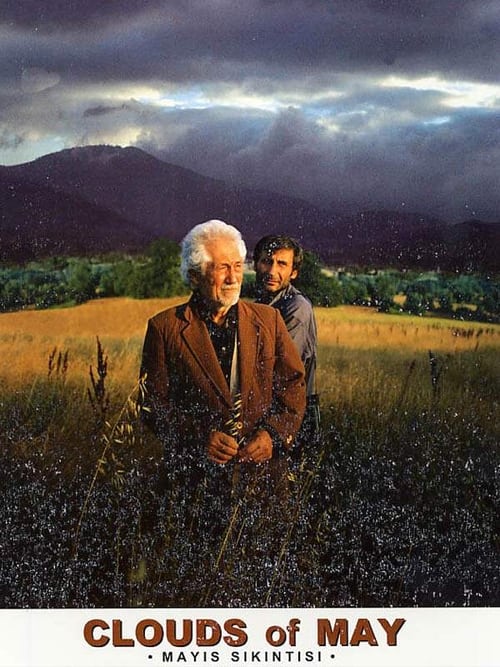
Clouds of May
1999
No user ratings available yet
Representation score: 7.4 out of 10

Representation Score
Fair
2005
Director
Levan Zakareishvili
Runtime
87 minutes
Average Rating
No ratings yetNew Showbiz Analysis
Tbilisi-Tbilisi is a piece of regional realism that challenges Western cinematic norms. It avoids explicit identity politics to explore the systemic instability and existential fragmentation of a post-Soviet state. The film scores well for its cultural positioning, offering a meaningful departure from Western-centric storytelling norms. However, it remains limited by a traditional, male-centric focus and a lack of representation of LGBTQ+ identities or disability.
Category Breakdown
The film focuses on the existential struggles of a young filmmaker and his friends. However, there are no specific depictions of LGBTQ+ identities or queer relationships.
The story centers around a male character dealing with professional and personal stagnation. The narrative follows a conventional male-centric viewpoint without showing female characters taking leading roles.
The film provides a localized, non-Western perspective by focusing on the Georgian experience. It shifts the cinematic focus away from Anglo-centric stories to the complexities of a former Soviet republic.
The film highlights a post-Soviet reality, challenging idealized capitalist narratives. Its non-linear structure suggests a critique of the stability of modern institutions during societal transitions.
There is no explicit mention of characters with visible or invisible disabilities in the narrative.
Present on Screen
Limited or Absent
Official Synopsis
A young filmmaker named Dato has no money to make a movie, so he hangs out drinking and brooding all day in the capital of the former Soviet republic, Georgia. He is also writing a screenplay. Excerpts from his script, shot in black-and-white, are cut into his story. All the stories, including the framing story about Dato and his friends, are interwoven so that they become one long narrative about contemporary life in Georgia.
1999

1964
2010
1979

2010
2016
2017
2009
No reviews yet. Be the first to share your thoughts on this movie!
Use the rating form above to leave a star rating and optional review.