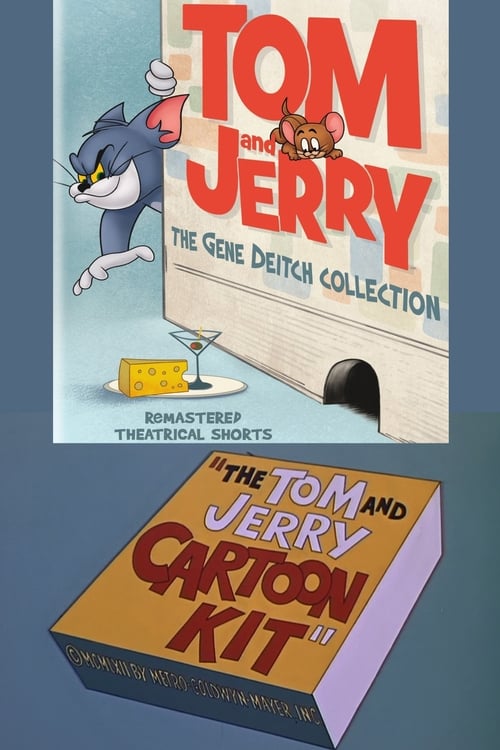
The Tom and Jerry Cartoon Kit
1962
No user ratings available yet
Representation score: 0.4 out of 10
Representation Score
Minimal
2007
Runtime
200 minutes
Average Rating
No ratings yetNew Showbiz Analysis
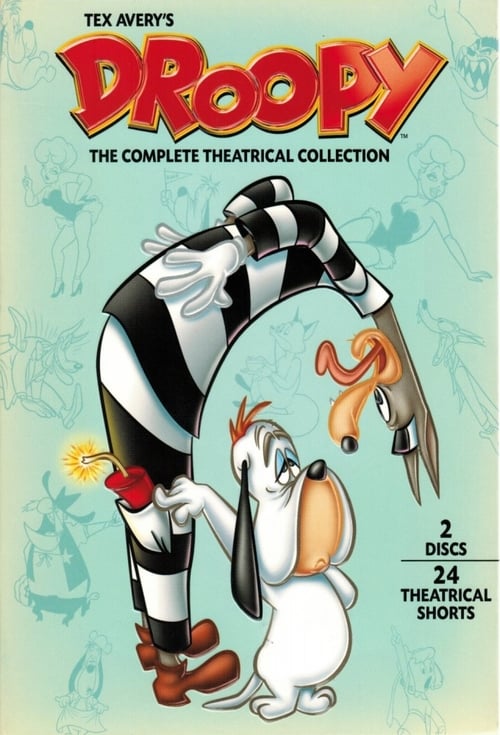
This collection of Tex Avery shorts emphasizes kinetic gag structures and surrealism over social realism. Since the characters are anthropomorphic animals, the medium inherently avoids traditional human demographic markers. The focus remains on technical innovation, such as self-reflexive gags and breaking the fourth wall. This stylistic choice results in a narrative environment that is largely detached from identity-based storytelling or systemic commentary. Ultimately, the work serves as a showcase of mid-20th-century animation techniques rather than a platform for diverse representation.
Category Breakdown
The shorts feature comedic interactions between anthropomorphic animals and do not include any LGBTQ+ identities or narratives about sexual orientation.
The stories focus heavily on male-coded characters like Droopy and Spike. The absence of female characters leaves little room for gender-based analysis.
Using anthropomorphic animals avoids human racial identifiers. The cast is uniform in species, lacking specific human cultural or ethnic backgrounds.
Humor comes from situational absurdity and cartoon physics. The shorts exist in a vacuum, disconnected from religious or institutional critiques.
Characters experience temporary physical trauma in slapstick scenarios. There is no indication of permanent disabilities or neurodivergent identities.
Present on Screen
Limited or Absent
Official Synopsis
Frederick "Tex" Avery directed some of the funniest cartoons ever made, but he relied primarily on situations and moving graphics, rather than on the personalities of familiar characters. Droopy, the phlegmatic basset hound, was one of the few characters Avery used regularly: His low-key presence was the perfect counter to the extreme takes, fast cuts, frenetic action, and general mayhem going on around him. Avery is also noted for "self-reflexive gags:" the characters know they're in a cartoon and often comment on the fact. In "Dumb-Hounded,"a sprinting wolf cuts a corner too sharply, skids past the sprocket holes at the edge of the film, and onto the blank screen. Droopy frequently turns to the camera and comments, "You now what? I'm happy."
1962

1979
1951

2004
1999
1941
1942
2004
No reviews yet. Be the first to share your thoughts on this movie!
Use the rating form above to leave a star rating and optional review.