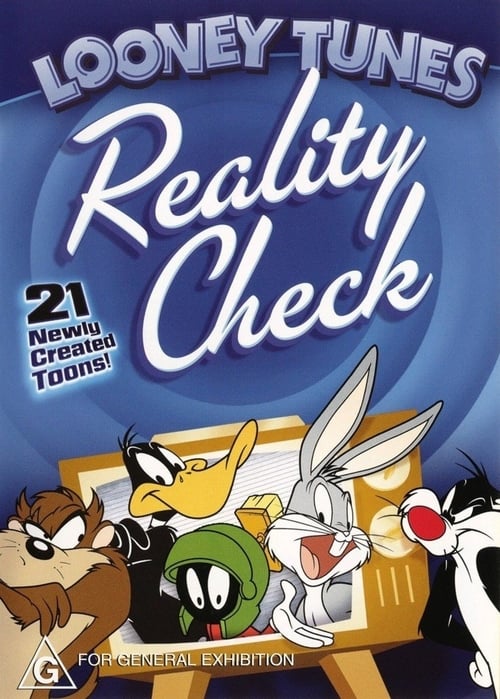
Looney Tunes: Reality Check
2003
No user ratings available yet
Representation score: 3.2 out of 10
Representation Score
Fair
1999
Director
Friz Freleng, Chuck Jones, Robert McKimson, Arthur Davis, Robert Clampett
Runtime
90 minutes
Average Rating
No ratings yetNew Showbiz Analysis
This compilation serves as a retrospective of Golden Age animation, presenting a collection of historical shorts rather than a single narrative. Character dynamics and social structures are inherently tied to mid-20th-century comedic clichés. The collection offers a variety of character archetypes but remains limited by the era's reliance on slapstick humor. It prioritizes anarchic play and traditional comedic hierarchies over complex, multi-layered narratives.
Category Breakdown
The collection uses slapstick humor that doesn't explore non-straight identities deeply. Some characters show gender non-conformity through exaggerated mannerisms, but there are no stories centered around these identities.
Female characters often act as catalysts for male-driven plots rather than being central to the story. However, the collection includes moments where traditional male authority is challenged through the incompetence of characters like Elmer Fudd.
The compilation features a diverse range of characters, especially through Speedy Gonzales. This inclusion breaks the mold of a predominantly white cast, offering a varied viewing experience through different ethnic types.
The humor is grounded in mid-20th-century Western traditions, focusing on individual conflicts and slapstick. The shorts portray disrespect for social order as playful anarchy rather than a structured critique of societal institutions.
There is little meaningful representation of disability. Physical limitations or behaviors coded as neurodivergent are used as comedic elements or plot obstacles rather than nuanced depictions of real experiences.
Present on Screen
Limited or Absent
Official Synopsis
The Warner Bros. studio spawned more enduring cartoon stars than any other group in Hollywood history. Bugs Bunny, Daffy Duck, Porky Pig, Tweety, Sylvester, Elmer Fudd, Speedy Gonzales, Foghorn Leghorn, Tasmanian Devil and the rest are so famous, and so beloved that their first names alone can put a smile on your face. Through the magic of animation they have come to life, becoming personalities we can identify with, laugh at, and care about. These superstars, the best "actors" in their field, introduce us to the greatest cartoons ever made: the Looney Tunes and Merrie Melodies.
2003

1979
2004

2004
1982
1981
1980
1988
No reviews yet. Be the first to share your thoughts on this movie!
Use the rating form above to leave a star rating and optional review.