
Hantu Kak Limah Balik Rumah
2010
No user ratings available yet
Representation score: 2.2 out of 10
Representation Score
Limited
2009
Director
Helfi C.H. Kardit
Runtime
83 minutes
Average Rating
No ratings yetNew Showbiz Analysis
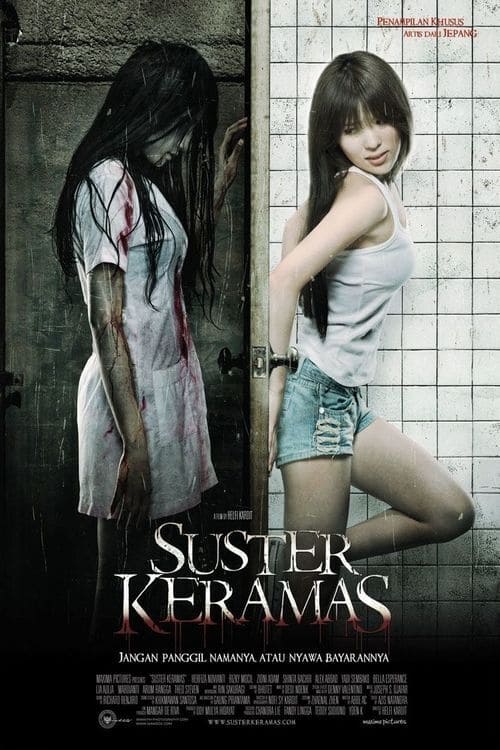
Evil Nurse is a genre-driven horror-comedy that explores regional diversity through a Japanese protagonist in an Indonesian setting. While the film moves beyond Western-centric storytelling, it lacks depth in other progressive areas. There is no representation of LGBTQ+ identities or disabilities, and the gender dynamics seem to follow traditional horror conventions rather than challenging them. Ultimately, the film offers a unique intercultural perspective but does not provide a complex multi-layered analysis or systemic critique.
Category Breakdown
The film does not include any LGBTQ+ identities or queer relationships. The story focuses on family and horror themes.
Michiko is the main female character driving the plot. However, it is unclear if the film challenges traditional gender roles or follows typical horror conventions.
The story features a Japanese protagonist in an Indonesian setting, highlighting cross-cultural interaction. This mix of East Asian and Southeast Asian identities adds regional diversity.
The plot involves religious institutions and local folklore through the protagonist's brother. It is unclear if the film critiques these elements or upholds a specific moral framework.
There is no depiction of characters dealing with physical, neurodivergent, or sensory disabilities in the narrative.
Present on Screen
Limited or Absent
Official Synopsis
Michiko, a Japanese tourist comes to Indonesia to search for his brother who works as a nun. She meets three people who help her. Soon, they become victims of a haunting.
2010

2002

2018

2017
1998
2014

2002

2007
No reviews yet. Be the first to share your thoughts on this movie!
Use the rating form above to leave a star rating and optional review.