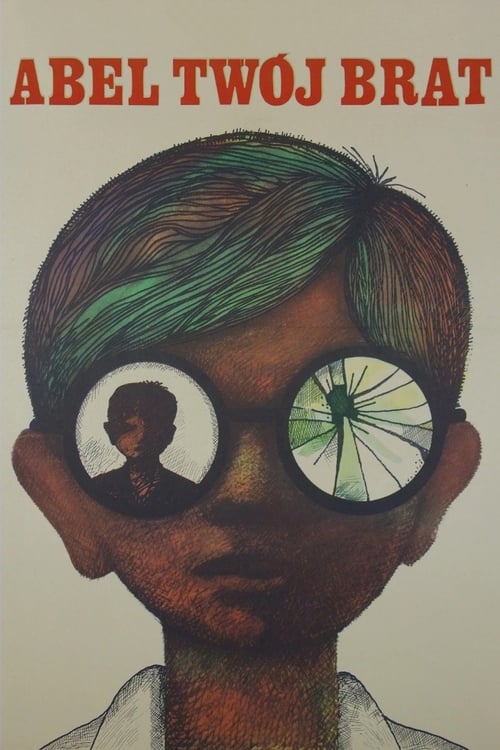
Abel, Your Brother
1970
No user ratings available yet
Representation score: 2.4 out of 10
Representation Score
Limited
1982
RDirector
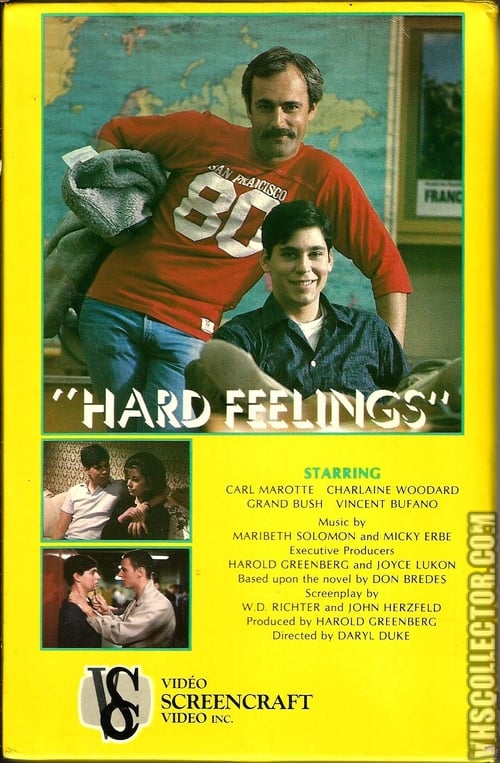
Daryl Duke
Runtime
105 minutes
Average Rating
No ratings yetNew Showbiz Analysis
Hard Feelings is a character-driven period drama that incorporates racial diversity into its narrative. By placing the protagonist in an African-American community, the film introduces meaningful social textures. However, it remains tied to conventional storytelling structures, focusing on traditional gender roles and social hierarchies. The film successfully captures localized social pressures and community dynamics, but it falls short in representing LGBTQ+ identities and challenging systemic issues related to gender and sexuality.
Category Breakdown
The film does not include any characters who identify as LGBTQ+, nor does it explore non-straight relationships or identities.
The story highlights gender tensions through a predominantly female perspective on male-dominated settings. However, the female characters adhere to traditional dramatic roles without challenging the existing social hierarchies.
The film includes an African-American community, providing a rich backdrop that explores nuanced social interactions and cross-racial relationships.
The movie portrays a traditional small-town environment with standard moral frameworks, emphasizing community cohesion and social consequences.
There are no characters with visible or invisible disabilities that play a central role in the narrative or serve as narrative devices.
Present on Screen
Limited or Absent
Official Synopsis
It's 1963 and teenage Barnie has problems. School bullies are after him, his family is dysfunctional and his girl Leslie screws around. On the run from bullies, he hides in the African-American part of town and meets cute Winona.
1970
1975
1996

1994

1973
1959
1960
2016
No reviews yet. Be the first to share your thoughts on this movie!
Use the rating form above to leave a star rating and optional review.