Fetus
2008
No user ratings available yet
Representation score: 2.1 out of 10
Representation Score
Limited
2006
Director
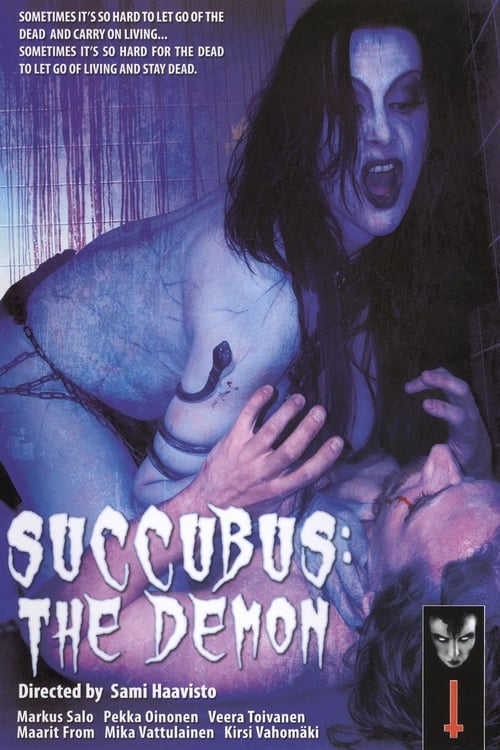
Sami Haavisto
Runtime
96 minutes
Average Rating
No ratings yetNew Showbiz Analysis
Succubus operates within the established boundaries of psychological horror, prioritizing individual tragedy and occult clichés over social or multi-layered exploration. The narrative structure relies heavily on traditional archetypes, such as the grieving man and the tragic female victim. Because the film focuses on a domestic setting and a singular romantic pairing, it lacks the breadth of identity representation found in more diverse works. The themes are existential and personal rather than systemic. Ultimately, the film functions as a conventional genre piece. It utilizes disability and gender roles to drive a supernatural plot rather than to provide nuanced or subversive character studies.
Category Breakdown
The story centers around a conventional heterosexual marriage. There is no depiction of diverse gender identities or stories that challenge the assumption that everyone is straight or cisgender.
The plot revolves around a male protagonist seeking control over his life through the occult. The female lead primarily serves as a tragic catalyst defined by her relationship to the man.
The narrative appears to follow a homogeneous structure. There is no indication of a diverse cast or the use of non-human species as metaphors for ethnic diversity.
The film explores subjective supernatural themes rather than singular religious morality. However, it relies on classical 'man against fate' clichés rather than systemic social critiques.
A character suffers from a terrible disease, but it functions largely as a plot device. The portrayal lacks the nuance required to go beyond functional horror clichés.
Present on Screen
Limited or Absent
Official Synopsis
A recently married couple won't live a long and happy life. When Henri loses his beautiful wife to a terrible disease his mind breaks. To get his wife back he wanders into the world of occultism and finds an ultimate tragedy.
2008
2004
2020
1981
2013
2003
2016
2022
No reviews yet. Be the first to share your thoughts on this movie!
Use the rating form above to leave a star rating and optional review.