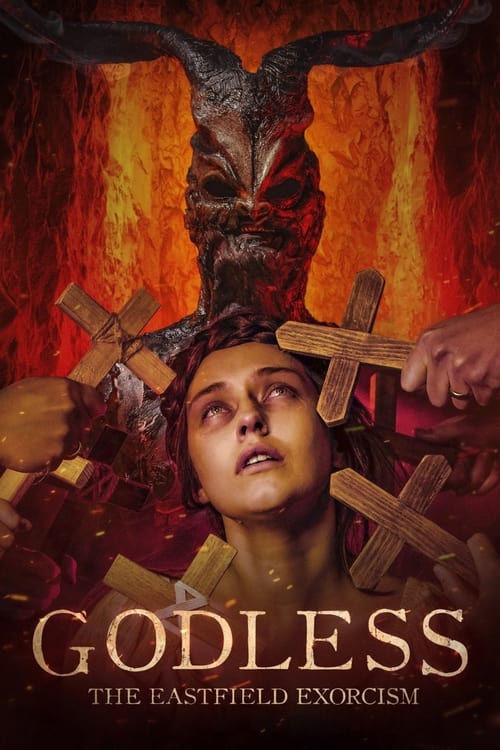
Godless: The Eastfield Exorcism
2023
No user ratings available yet
Representation score: 4.3 out of 10
Representation Score
Fair
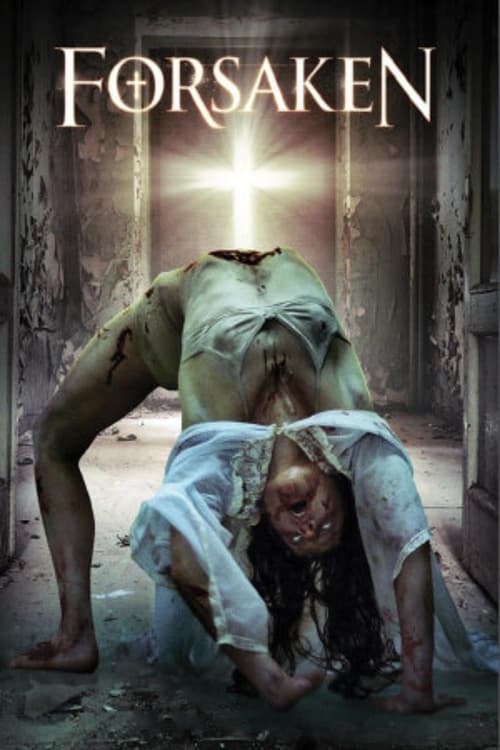
2016
NRDirector
Tristan Price
Runtime
89 minutes
Average Rating
No ratings yetNew Showbiz Analysis
Forsaken is a character-driven film focusing on moral transgression and the subversion of religious orthodoxy. Its strength lies in challenging institutional spiritual authority. However, the film lacks demographic diversity and relies on traditional gender roles. The use of illness as a plot device also limits the depth of its representation. While the film offers a progressive critique of religious dogma, it remains narrow in its representation of diverse identities and experiences.
Category Breakdown
There are no LGBTQ+ characters or themes related to non-cisgender identities in the film.
The story revolves around a male protagonist who makes key decisions. The female lead's role is mainly reactive due to her illness.
The available information provides no details regarding the racial or ethnic composition of the cast. Consequently, no assessment of racial diversity can be made.
The film criticizes religious dogma by depicting a priest who rejects faith for personal ethics. This prioritizes individual choice over institutional authority.
A fatal illness drives the plot but is used more as a plot device than a nuanced exploration of living with a disability.
Present on Screen
Limited or Absent
Official Synopsis
When a Priest discovers his wife is deathly ill, he decides to go against his faith and use his knowledge of exorcisms to possess her in order to save her life.
2023
1961

2017

2006

2017
2024
2017
2023
No reviews yet. Be the first to share your thoughts on this movie!
Use the rating form above to leave a star rating and optional review.