Sure Cures
1946
No user ratings available yet
Representation score: 1.9 out of 10
Representation Score
Limited
1952
APPROVEDDirector
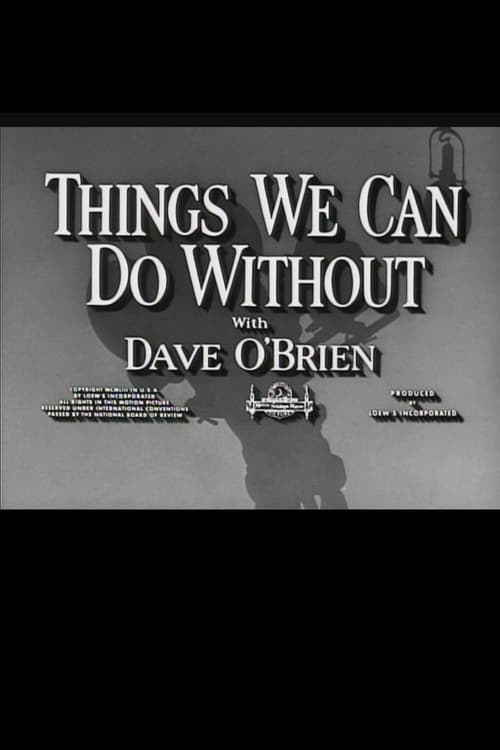
Dave O'Brien
Runtime
9 minutes
Average Rating
No ratings yetNew Showbiz Analysis
This Pete Smith specialty is a product of its time, serving as an observational comedy that reinforces mid-century social norms. It lacks intentional narrative subversion or critical examination, focusing instead on the conventional comedic structures of 1952. The film presents a homogeneous view of society, centered on Western, white-centric social norms and traditional domesticity. There is no evidence of diverse identities or characters who reflect more than one aspect of diversity. Ultimately, the work aligns with the era's standard of reinforcing established social hierarchies and traditional morality rather than challenging them.
Category Breakdown
The film does not include any LGBTQ+ characters or stories. It follows the production standards of the time, which usually excluded non-straight identities.
Gender roles in the film follow traditional 1950s hierarchies. There is no portrayal of masculinity in an incompetent or subverted manner.
The narrative reflects the homogeneous social landscape of the early 1950s. It lacks non-white majority casts or actors from different racial backgrounds.
The work upholds traditional Western values and the stability of the nuclear family. It lacks anti-religious or secularist themes.
There is no evidence of neurodivergence or physical disabilities. Historical comedic shorts often used impairments as slapstick devices.
Present on Screen
Limited or Absent
Official Synopsis
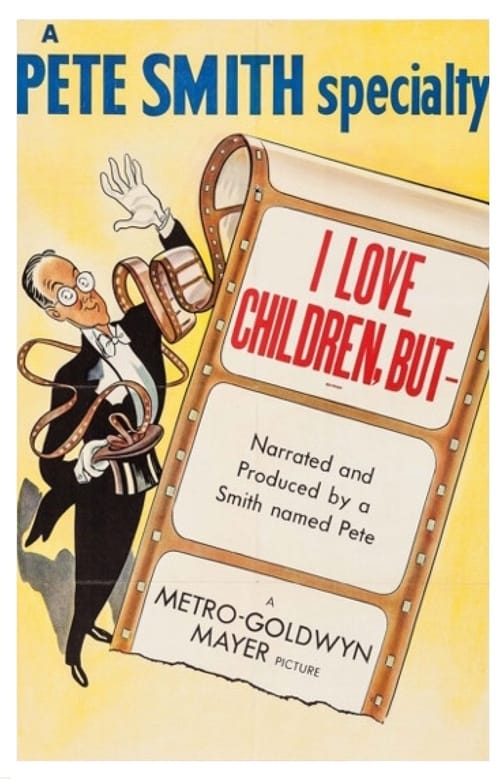
A Pete Smith specialty.
1946
1954
1949
1954
1947
1951
1953
1950
No reviews yet. Be the first to share your thoughts on this movie!
Use the rating form above to leave a star rating and optional review.