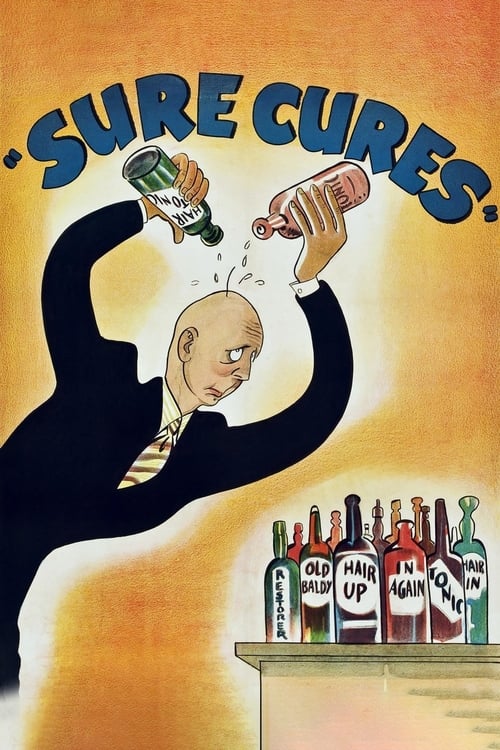
Sure Cures
1946
No user ratings available yet
Representation score: 1.9 out of 10
No Poster Available
Representation Score
Minimal
1949
ApprovedDirector
Dave O'Brien
Runtime
9 minutes
Average Rating
No ratings yetNew Showbiz Analysis
Super Cue Men is a specialized instructional short film made by MGM as part of the Pete Smith Special series. Designed for topical entertainment rather than social commentary, it lacks the narrative depth needed to explore complex themes. The content centers on the technical mechanics of billiards and light-hearted humor. This format emphasizes sporting skills over complex character development, resulting in limited diverse representation. Ultimately, the film serves as a period-specific curiosity that adheres to the social and demographic norms of 1949.
Category Breakdown
The film focuses solely on teaching billiards and light-hearted comedy. There are no characters or stories related to LGBTQ+ themes.
The film likely follows traditional gender roles common in the 1940s. The focus on billiards reflects a sport traditionally dominated by men.
The film seems to reflect the homogeneous demographics of the late 1940s. There is no indication of diverse casting or racial blending.
The short film operates within a typical mid-20th century American cultural context. It promotes traditional leisure activities and skill-based achievements without social critique.
There are no characters with visible or invisible disabilities in the film. The narrative does not include any representation of disability.
Present on Screen
Limited or Absent
Official Synopsis
Pete Smith special about billiard.
1946
1947
1951
1954
1955

1950
1940
1948
No reviews yet. Be the first to share your thoughts on this movie!
Use the rating form above to leave a star rating and optional review.