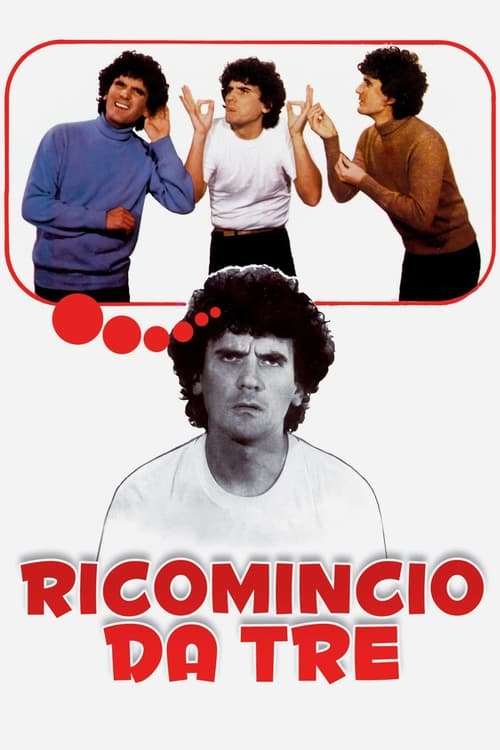
I'm Starting from Three
1981
No user ratings available yet
Representation score: 3.3 out of 10

Representation Score
Fair
1983
Director
Massimo Troisi
Runtime
108 minutes
Average Rating
No ratings yetNew Showbiz Analysis
Massimo Troisi’s comedy offers a unique subversion of masculine archetypes. By presenting an apathetic, lazy protagonist who resists patriarchal expectations of success, the film challenges traditional social advancement metrics. However, the film remains limited by its lack of diverse representation. It operates within a localized, homogeneous Mediterranean framework without LGBTQ+ or racial diversity. Ultimately, it succeeds as a cultural critique of productivity and gender roles, even while staying within a traditional demographic scope.
Category Breakdown
The film centers on a traditional romance between Vincenzo and Anna, with no explicit LGBTQ+ characters or non-straight identities.
The story challenges traditional gender roles by focusing on a male protagonist who doesn't fit typical provider stereotypes. Emotional growth is driven by Anna, who encourages Vincenzo to take responsibility.
The cast is homogeneously Mediterranean, reflecting 1980s Italian comedy without significant racial blending or non-white actors.
The film criticizes traditional Western values by showing maternal dependence as stagnant. It emphasizes personal temperament over capitalist productivity.
There are no visible or invisible disabilities portrayed as central to the narrative or character development.
Present on Screen
Limited or Absent
Official Synopsis
Vincenzo, a 30 years old apathetic and lazy man who still lives with his mother, has no job and no desire to improve. He meets Anna and fell in love with her but to keep the relationship alive he has to learn to accept more responsibility.
1981
1982

1982
1997

2014
1991

2016

2002
No reviews yet. Be the first to share your thoughts on this movie!
Use the rating form above to leave a star rating and optional review.