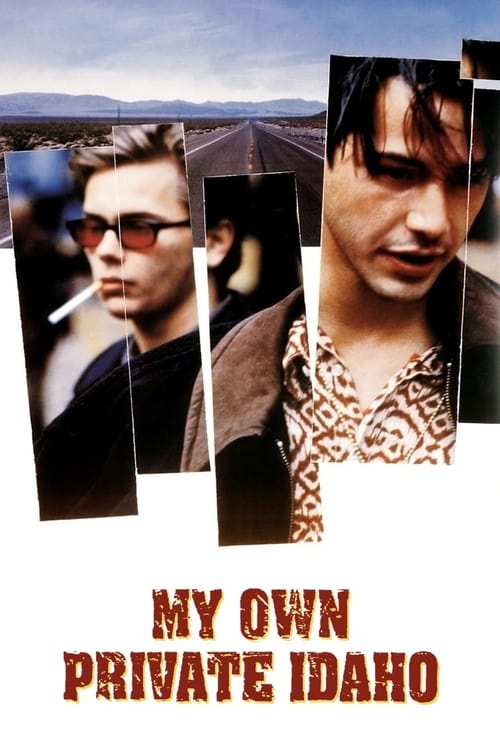
My Own Private Idaho
1991
No user ratings available yet
Representation score: 9.0 out of 10
Representation Score
Good
1982
RDirector
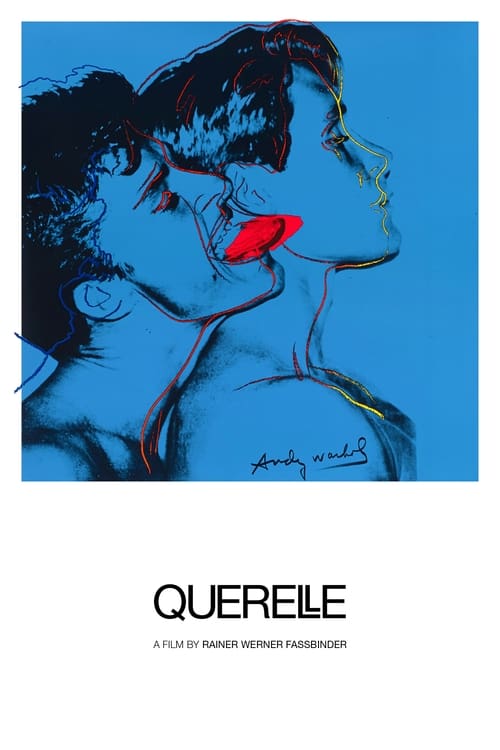
Rainer Werner Fassbinder
Runtime
109 minutes
Average Rating
No ratings yetNew Showbiz Analysis
Fassbinder’s work is a highly stylized, avant-garde exploration of transgression. Utilizing a hyper-artificial aesthetic, the film disrupts realism to examine the intersection of desire and power. It moves away from binary morality to center on a protagonist defined by the deconstruction of social and sexual norms. The film's strength lies in its radical commitment to exploring queer identity and its intentional disruption of Western hierarchies. It replaces the traditional hero's journey with a complex, identity-driven exploration of systemic defiance. However, the film's focus on a specific, localized maritime environment results in a lack of racial and ethnic diversity. The narrative remains centered on a homogeneous group of male archetypes.
Category Breakdown
The film centers homoeroticism as a key element in its structure. The protagonist's journey explores queer identity through eroticism and power dynamics.
By excluding female characters, the film creates a closed system of masculine energy and fluid power dynamics.
The narrative focuses on a largely homogeneous group of sailors in a localized maritime setting. There is a notable lack of significant racial or ethnic diversity.
The film rejects traditional morality in favor of subjective, transgressive ethics. Institutional authority and social structures are portrayed as forces to be navigated or defied.
There are no prominent depictions of physical or neurodivergent disabilities that serve as central character arcs or plot drivers.
Present on Screen
Limited or Absent
Official Synopsis
French sailor Querelle arrives in Brest and starts frequenting a strange whorehouse. He discovers that his brother Robert is the lover of the lady owner, Lysiane. Here, you can play dice with Nono, Lysiane's husband: if you win, you are allowed to make love with Lysiane; if you lose, you have to make love with Nono... Querelle loses on purpose.
1991
1969

2013

1978

1985

1998
1969
1980
No reviews yet. Be the first to share your thoughts on this movie!
Use the rating form above to leave a star rating and optional review.