Ian
2018
No user ratings available yet
Representation score: 5.7 out of 10
Representation Score
Fair
2015
Director
Gorka Vázquez
Runtime
65 minutes
Average Rating
No ratings yetNew Showbiz Analysis
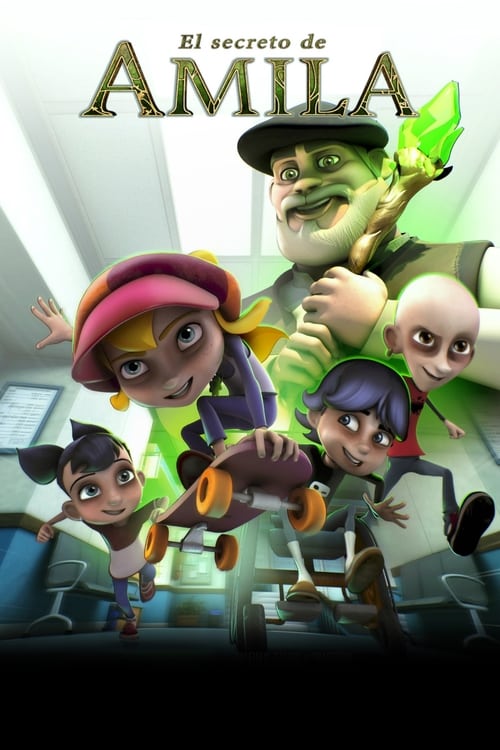
El secreto de Amila distinguishes itself through a dedicated focus on disability, centering the story on a young girl managing a chronic bone condition. This approach moves beyond superficial cameos to provide a realistic look at medical life and therapy. The film also avoids sanitized depictions of childhood, opting for a more honest portrayal of the frustrations found in institutional settings. While the narrative excels in portraying physical vulnerability and peer-based ability to act, it remains neutral regarding other identity markers. Ultimately, the work succeeds by prioritizing the emotional and physical realities of its protagonist, offering a nuanced perspective on resilience within the family animation genre.
Category Breakdown
The film focuses on the platonic friendships between Amila, Fede, and Mai. There are no explicit depictions of LGBTQ+ identities or dynamics centered around straight relationships.
Amila serves as a central female protagonist navigating significant medical challenges. Her role is defined by her internal strength and social connections rather than traditional female clichés.
The available information provides no details regarding the racial or ethnic composition of the characters. Consequently, the diversity of the cast cannot be assessed.
The story offers a grounded view of childhood by depicting the hospital experience as long and annoying. It emphasizes communal resilience through peer support rather than institutional authority.
The narrative centers on a protagonist with osteogenesis imperfecta, making her physical reality the core of the plot. It portrays the lived experience of chronic illness with intentionality.
Present on Screen
Limited or Absent
Official Synopsis
AMILA is a 9 year old girl who was born with health problems, and lately has dizziness and headache, so it has to go to the hospital. With his friends Fede and Mai, receives therapy sessions due to illness of the bones of glass. The days of hospitalization are long and annoying, but with the help of all the friends always becomes more pleasant and even fun.
2018
2012
1990
2015
2014

2009
2019
2003
No reviews yet. Be the first to share your thoughts on this movie!
Use the rating form above to leave a star rating and optional review.