
The Heat
2013
No user ratings available yet
Representation score: 6.2 out of 10
Representation Score
Limited
2004
PG-13Director
Todd Phillips
Runtime
101 minutes
Average Rating
No ratings yetNew Showbiz Analysis
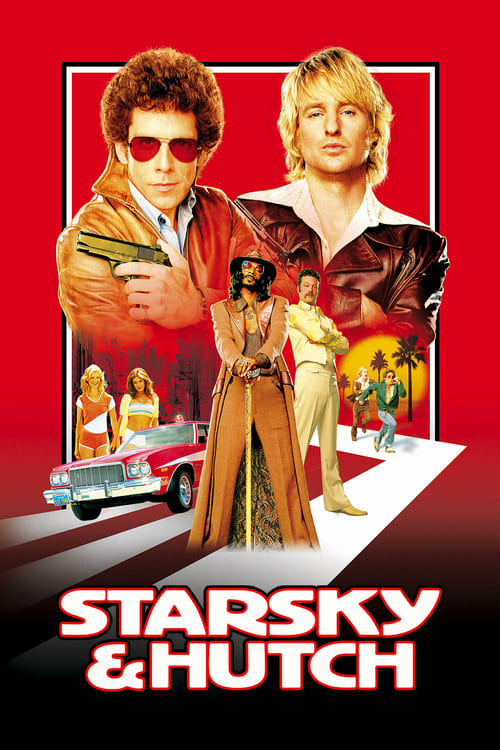
Starsky & Hutch follows a traditional Hollywood blueprint that emphasizes genre clichés over diverse storytelling. The narrative structure focuses on a conventional masculine buddy-cop dynamic, leaving little room for varied perspectives or social subversion. While the film features a diverse supporting cast to reflect its urban setting, these roles often adhere to archetypal functions. The story centers on the central white male protagonists and their interpersonal dynamics. Ultimately, the film reinforces existing social hierarchies. It favors a status-quo-oriented model that lacks intentionality regarding gender roles, disability, or LGBTQ+ representation.
Category Breakdown
The film follows a strict focus on straight relationships and assumes everyone is cisgender. There is no representation of LGBTQ+ identities or queer-coded character dynamics.
The central plot revolves around male competition and camaraderie. Female characters have little control over their own stories, often appearing as secondary plot devices or peripheral romantic interests.
The lead duo is primarily white, following traditional casting models. While the supporting cast includes diverse characters, they often fit into established genre roles.
The story centers on a conventional Western law enforcement model. It uses police procedures as a comedic device without critiquing systemic issues within institutions.
There is no meaningful representation of visible or invisible disabilities. Characters are defined by typical physical capabilities expected in action-comedy roles.
Present on Screen
Limited or Absent
Official Synopsis
Join uptight David Starsky and laid-back Ken "Hutch" Hutchinson as they're paired for the first time as undercover cops. The new partners must overcome their differences to solve an important case with help from street informant Huggy Bear and persuasive criminal Reese Feldman.
2013

1994
1998

1989
1985
2020
2010
1988
No reviews yet. Be the first to share your thoughts on this movie!
Use the rating form above to leave a star rating and optional review.