41
2012
No user ratings available yet
Representation score: 3.9 out of 10
Representation Score
Good
1999
Director
Cédric Klapisch
Runtime
109 minutes
Average Rating
No ratings yetNew Showbiz Analysis
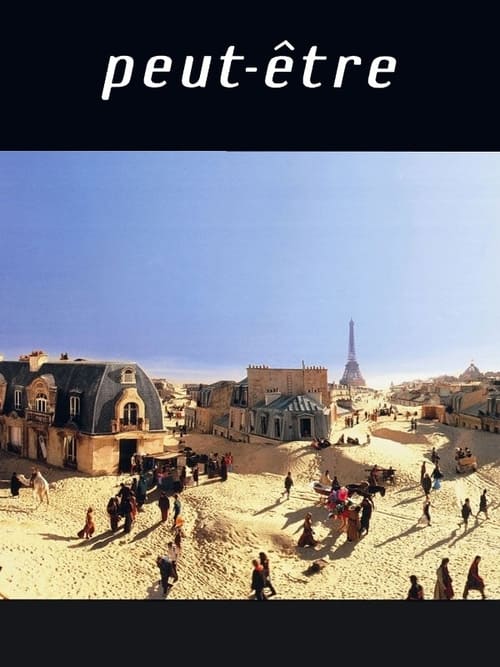
Cédric Klapisch’s film captures a multifaceted, cosmopolitan portrait of Paris. Utilizing an ensemble cast and a vignette-based structure, the work avoids a monolithic perspective, embracing the social complexity and multiculturalism of the city. However, the film remains anchored in conventional romantic dynamics. While it challenges traditional narrative structures through postmodern themes, it lacks significant representation for LGBTQ+ identities and characters with disabilities. Ultimately, the film is a study of modern connection and urban interconnectedness. It excels at portraying a diverse social fabric but stays within certain traditional frameworks regarding gendered romantic roles.
Category Breakdown
The story focuses on traditional romantic relationships and does not include explicit LGBTQ+ character arcs or non-binary gender identities.
Women are portrayed with significant depth, often driving the film's philosophical questions. The narrative highlights the breakdown of traditional masculine frameworks.
The ensemble cast reflects the multicultural reality of Paris, presenting various ethnic and socioeconomic backgrounds as part of an integrated urban landscape.
The film emphasizes a secular, urban lifestyle over religious morals. It explores postmodern themes of subjectivity and fragmented truth through non-linear vignettes.
There is no prominent focus on visible or invisible disabilities. Characters are defined by their interpersonal relationships and psychological states.
Present on Screen
Limited or Absent
Official Synopsis
Arthur is invited to a New Year's Eve party to celebrate the year 2000. His girlfriend Lucie would like a baby from him but he refuses. Through the ceiling of the toilets, he discovers a passage leading to this futurist Paris. There, he meets an old man Ako who affirms he is his son and that he wants to exist. Otherwise he will vanish into the air. Arthur is still hesitant because his life is an unfulfilled one: a has a little lucrative job, is uncertain about his future and things are getting out of hand when Ako discovers the passage and interferes in the party.
2012

2019
1999

2011
2003

2017
2010
2016
No reviews yet. Be the first to share your thoughts on this movie!
Use the rating form above to leave a star rating and optional review.