
Mirror
2017
No user ratings available yet
Representation score: 6.7 out of 10
Representation Score
Good
2016
Director
Cláudia Jouvin
Runtime
88 minutes
Average Rating
No ratings yetNew Showbiz Analysis
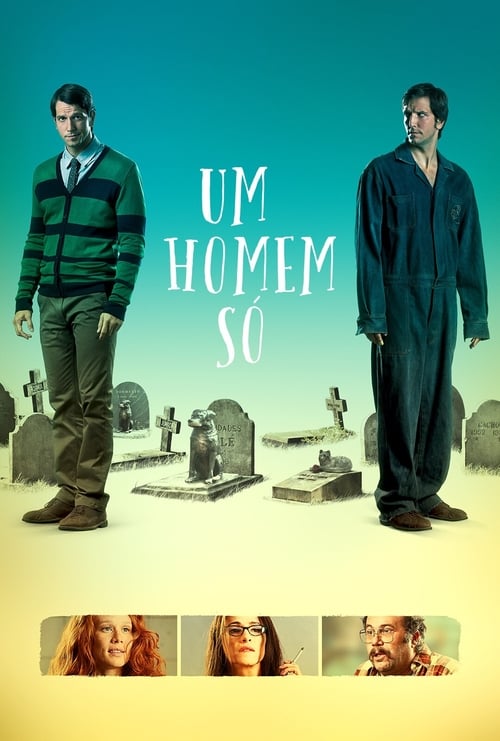
Cláudia Jouvin’s film is a modern urban tale that emphasizes psychological exploration over demographic diversity. It successfully dismantles traditional masculine stereotypes by highlighting a vulnerable protagonist rather than a strong one. However, the film does not include explicit representations of LGBTQ+ identities, diverse racial backgrounds, or physical disabilities. The narrative structure focuses on universal existential themes rather than multi-layered identity issues. Overall, the film scores moderately by challenging societal stability and conventional heroic structures, yet it remains limited in demographic representation.
Category Breakdown
The film centers on Arnaldo's search for connection and his feelings of isolation. There are no obvious signs of LGBTQ+ identities or non-cisgender characters.
Arnaldo breaks down traditional masculine stereotypes by showing vulnerability and unhappiness instead of strength and dominance. However, Josie's role and impact remain unclear.
The story is set in a local urban environment and does not feature a diverse cast or challenge racial norms through casting.
The film questions typical life paths through its protagonist's desire to break free. It emphasizes personal, poetic truths over formal moral teachings.
The film delves into psychological conditions such as alienation and despair. It does not depict physical or neurological disabilities.
Present on Screen
Limited or Absent
Official Synopsis
The film tells the story of Arnaldo, that to get rid of his miserable life, seeks of a clinic that promises to copy people. With a copy occupying his place, he would take a new life. But, when having his request denied, Arnaldo has no choice but to try and change the course of his history. When he falls in love with Josie, the clerk of a pet cemetery, Arnaldo believes that he found a chance to finally be happy. But maybe he's wrong. A Lone Man is an urban fable that addresses the complexity of relationships, with a good dose of irony, and humor.
2017

2024

1999

2021
2018
2017

2022
2010
No reviews yet. Be the first to share your thoughts on this movie!
Use the rating form above to leave a star rating and optional review.