
Red Sky
2017
No user ratings available yet
Representation score: 6.0 out of 10
Representation Score
Good
1983
Director
Lâm Lê
Runtime
103 minutes
Average Rating
No ratings yetNew Showbiz Analysis
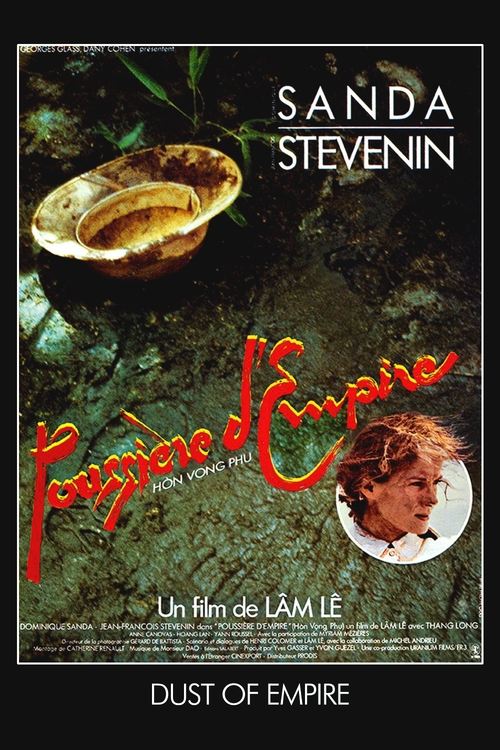
Dust of Empire explores the conflict between colonial religious institutions and indigenous resistance. By focusing on a French nun in a Vietnamese setting, the film moves beyond typical colonial clichés to examine complex cultural intersections. While the film offers a diverse cast of characters, including resistance fighters and a key local child, it remains rooted in traditional power structures. The protagonist's influence is often constrained by her religious hierarchy, limiting the subversion of established social norms. Overall, the film effectively captures the tensions of the era through its varied characters, even if it falls short in representing progressive values in other areas.
Category Breakdown
The film does not include any explicitly LGBTQ+ characters or non-straight relationships. The story focuses on the religious mission and the lives of the main characters.
A female nun serves as the central protagonist, diverging from typical male-dominated colonial narratives. Her role is primarily defined by her religious duties and institutional position.
The story highlights the intersection of French and Vietnamese identities in 1954 Tonkin. It challenges monolithic colonial views by focusing on a traveler among local villagers and resistance fighters.
The film delves into the tension between Western Catholicism and local socio-political contexts. It examines how religious institutions function as propaganda tools in post-colonial settings.
A mute child serves as a central narrative driver. The character's silence is utilized as a functional plot element rather than just for inspiration, adding a layer of local ability to act.
Present on Screen
Limited or Absent
Official Synopsis
In 1954, escorted by a sergeant, a French nun travels through Tonkin, spreading the good Catholic word as she goes. A mute child leads her to a remote village. Installed at a carpenter, the travelers prepare the projection material indispensable to their propaganda. At nightfall, in a storm, a group of maquisards surrounded the house. Fortunately, the carpenter is a respected man. The attackers withdraw. After a sudden rise in water, the mute child loses the precious message that had been entrusted to him by a wounded maquis...
2017

1975
1992
1963

1962

1993

2018

1957
No reviews yet. Be the first to share your thoughts on this movie!
Use the rating form above to leave a star rating and optional review.