
Mammo
1994
No user ratings available yet
Representation score: 6.5 out of 10
Representation Score
Good
1995
Not RatedDirector
Saeed Akhtar Mirza
Runtime
85 minutes
Average Rating
No ratings yetNew Showbiz Analysis
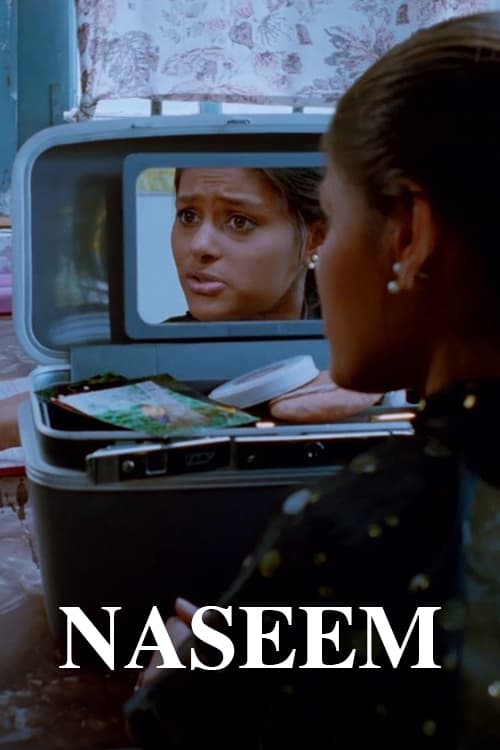
Naseem is a powerful example of social realism that challenges traditional nationalist narratives. By focusing on the intersection of youth, gender, and minority identity, the film uses a personal scale to critique large-scale systemic collapses. The film's strength lies in its portrayal of religious and ethnic diversity and the ability to act of its female protagonist. Saeed Akhtar Mirza's background in social critique informs a narrative that prioritizes nuanced, humanistic perspectives over commercial clichés. While the film excels in representing religious and ethnic diversity, it lacks explicit LGBTQ+ character arcs. However, its focus on navigating restrictive social structures provides a foundation for exploring non-traditional identities.
Category Breakdown
The film doesn't focus on LGBTQ narratives or non-cisgender identities. However, it explores individual ability to act within restrictive structures, which could potentially include diverse identities.
Naseem, a young girl, is the main character who observes social breakdown. Her significant role in the story challenges traditional gender roles that often sideline women.
The story deeply explores religious and ethnic diversity. It highlights the experiences of minority communities, using a multi-faith social fabric to challenge monolithic national identities.
The film criticizes systemic failures by showing the breakdown of communal coexistence. It focuses on a secular humanist perspective, emphasizing the loss of harmony as a systemic issue rather than a religious one.
There is no evidence of characters with visible or invisible disabilities driving the narrative.
Present on Screen
Limited or Absent
Official Synopsis
Mumbai, 1992. Naseem, a 15 year-old schoolgirl, lives with her grandfather and grows up with stories of pre-independence communal harmony. Later, she helplessly watches the communal situation regression with the demolition of Babri Masjid.
1994

2005

1973

2004
2004
2015
1998
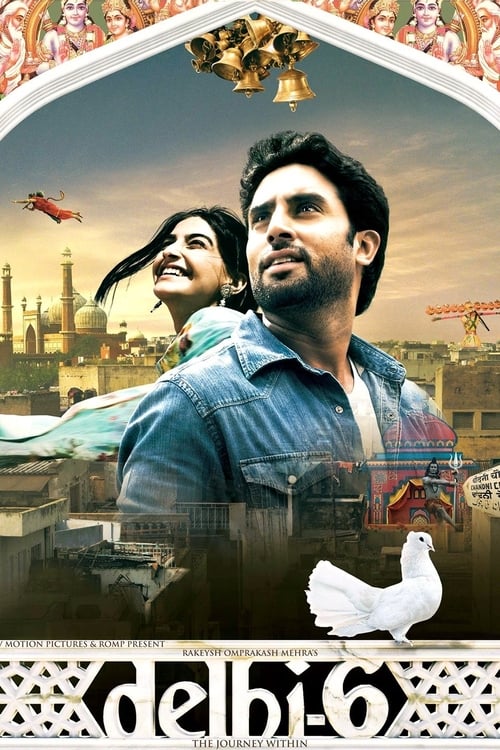
2009
No reviews yet. Be the first to share your thoughts on this movie!
Use the rating form above to leave a star rating and optional review.