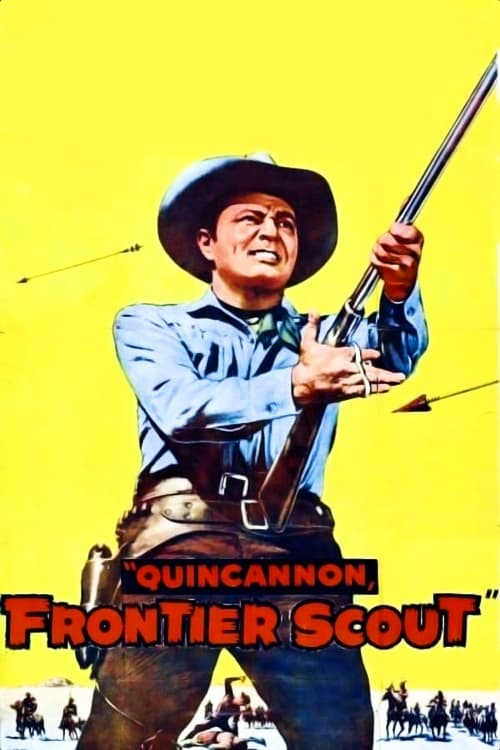
Quincannon, Frontier Scout
1956
No user ratings available yet
Representation score: 1.3 out of 10
Representation Score
Minimal
1945
NRDirector
John English
Runtime
74 minutes
Average Rating
No ratings yetNew Showbiz Analysis
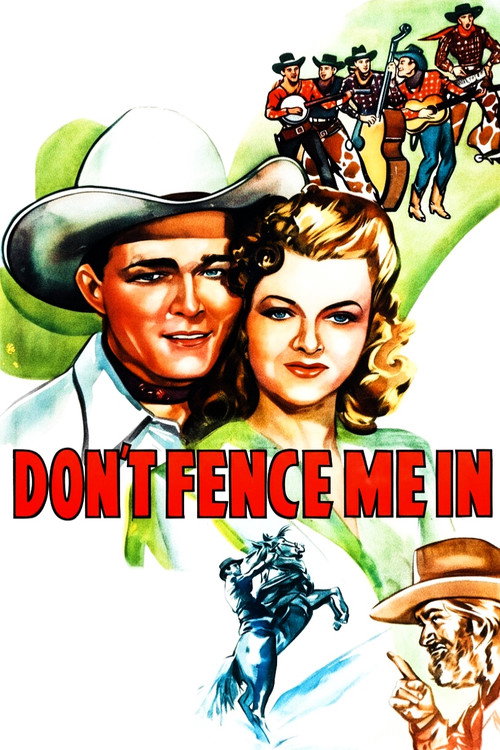
Don't Fence Me In is a quintessential 1940s musical Western that prioritizes genre conventions and traditionalist values. The film emphasizes stable social hierarchies and the romanticized mythos of the American West. Representation is limited by the era's studio standards, reinforcing rather than challenging contemporary social structures. The focus remains on white, able-bodied protagonists operating within a rigid, straight-centered framework. Ultimately, the film serves as a period-specific artifact. It lacks complexity around multiple aspects of identity, relying instead on traditional masculinity and racial homogeneity to drive its story of frontier justice.
Category Breakdown
The film does not include any LGBTQ+ characters or non-straight relationships. Romantic subplots follow traditional models within a strictly straight-centered social framework.
Male characters play the primary roles and make key decisions. Female characters mainly serve as supporting figures or romantic interests, rarely driving the plot.
The cast is overwhelmingly white and Anglo-Saxon, focusing on a homogeneous social structure. There is a notable absence of characters of color in positions of influence.
The narrative celebrates Western traditions like land ownership and ranching economies. It upholds a clear moral framework that preserves the existing social order.
There are no depictions of physical or neurodivergent disabilities. Characters are shown as able-bodied participants in the physical demands of the frontier.
Present on Screen
Limited or Absent
Official Synopsis
Wildcat Kelly has been dead and buried for years. Or has he? Dale is a reporter for an Eastern magazine who comes West to find out the true story of Kelly, of whom Gabby seems to have mysterious knowledge.
1956
1962
1946

1934
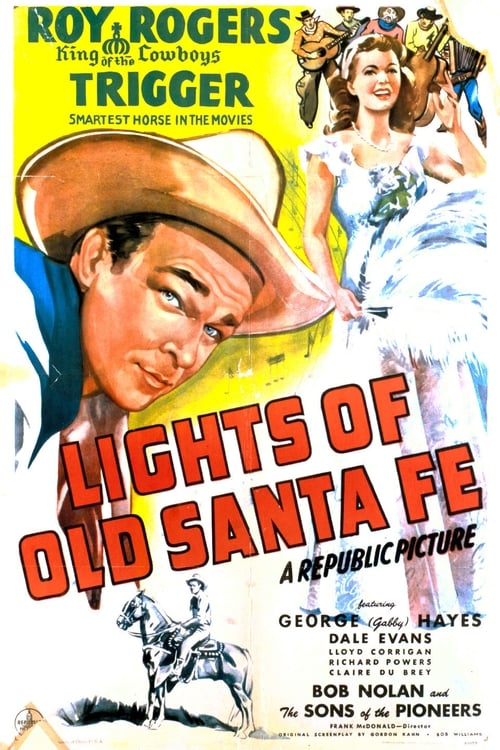
1944
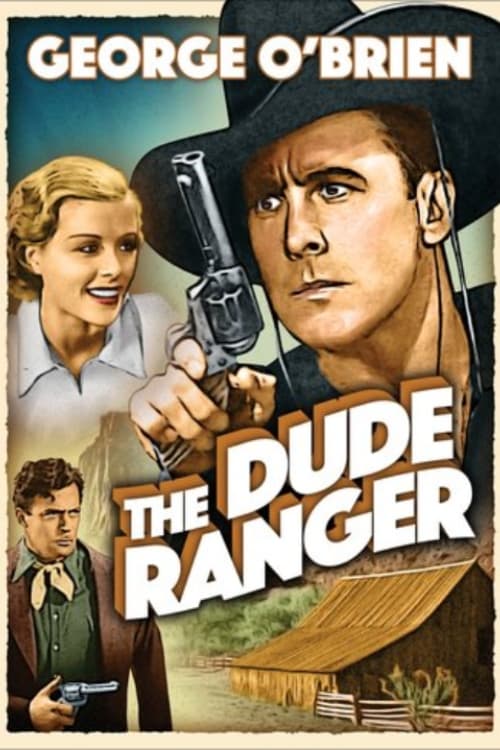
1934
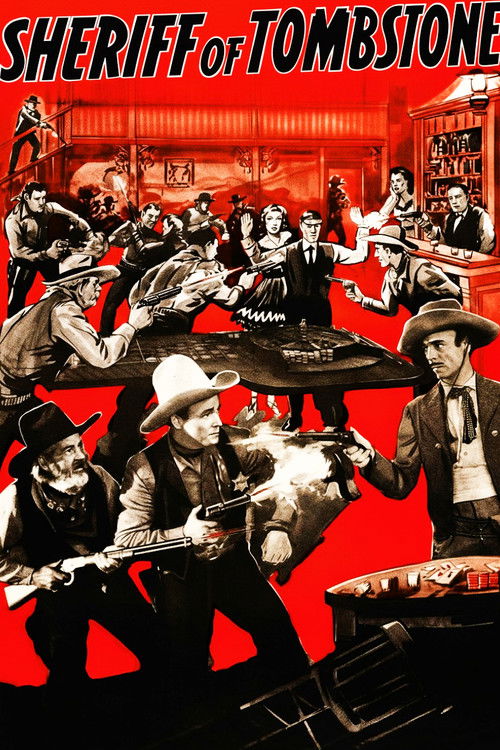
1941
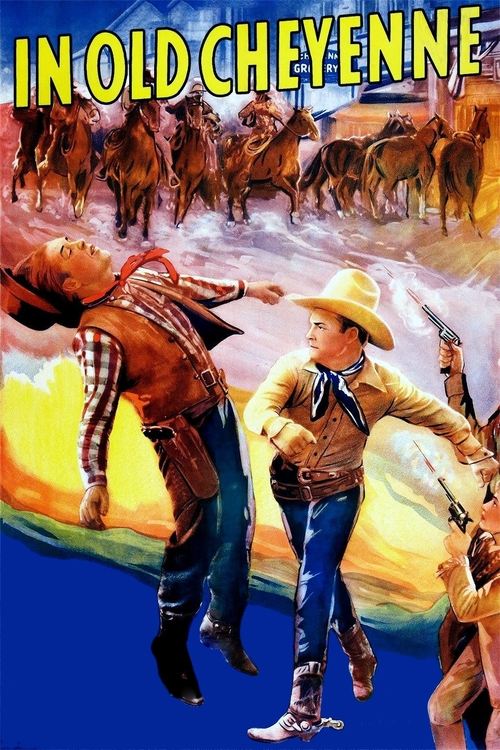
1941
No reviews yet. Be the first to share your thoughts on this movie!
Use the rating form above to leave a star rating and optional review.