Moonshot
2009
No user ratings available yet
Representation score: 1.3 out of 10
Representation Score
Limited
2008
PGDirector
Mary Crisp, Nick Green, Richard Dale
Runtime
280 minutes
Average Rating
No ratings yetNew Showbiz Analysis
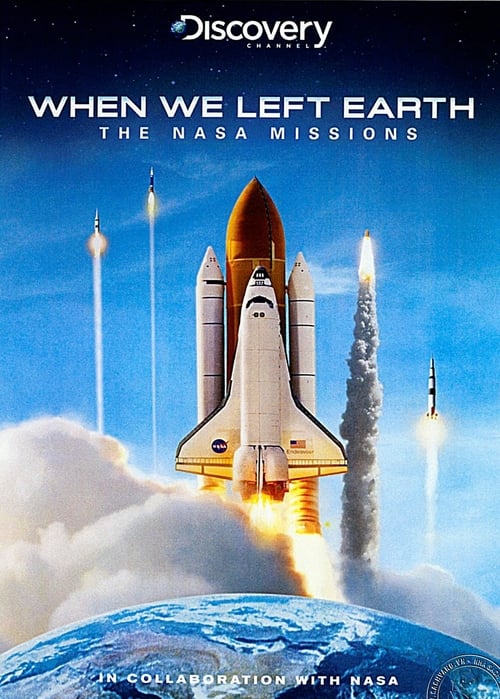
When We Left Earth serves as a chronological archive of institutional milestones rather than a character-driven drama. It accurately reflects the social and institutional realities of the mid-20th century, which were characterized by significant demographic homogeneity. The documentary centers on the 'pioneer' archetype, focusing on male astronauts and Western technological progress. This focus reinforces existing hierarchies rather than introducing perspectives that reflect multiple aspects of identity or challenging the status quo. While the film provides an accurate historical record of the space ability to act's 50th anniversary, it lacks the breadth to represent the diverse human effort behind the missions.
Category Breakdown
The film focuses on the mid-20th-century space exploration era and does not include any LGBTQ+ narratives or non-cisgender identities, reflecting the straight-centered institutional culture of the time.
The narrative emphasizes male astronauts like John Glenn and Neil Armstrong. While technical achievements are highlighted, the protagonists are depicted through a traditional masculine lens of leadership and bravery.
The documentary highlights the Anglo-centric achievements of the early space race. It lacks emphasis on the diverse scientific and support communities that contributed to these historic missions.
The film celebrates Western technological advancement and national pride. It reinforces themes of patriotism and state-funded progress without questioning the nationalist frameworks driving the space race.
The focus remains on the physical peak performance required for spaceflight. There is a notable absence of inclusive representation regarding neurodivergence or physical disabilities.
Present on Screen
Limited or Absent
Official Synopsis
Commemorating the space agency's 50th anniversary, follow John Glenn's Mercury mission to orbit the earth, Neil Armstrong's first historic steps on the moon, unprecedented spacewalks to repair the Hubble stories, and more!
2009
1989
2015

2007
2005
2022

2018
2019
No reviews yet. Be the first to share your thoughts on this movie!
Use the rating form above to leave a star rating and optional review.