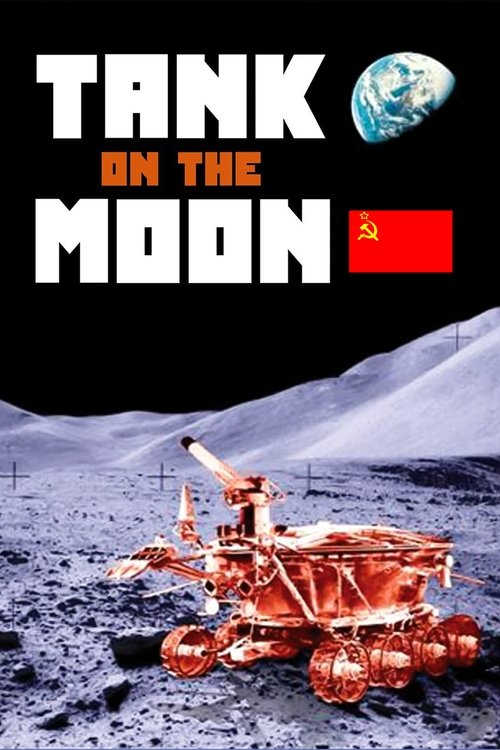
Tank on the Moon
2007
No user ratings available yet
Diversity score: 3.1 out of 10

1972
Director
Theo Kamecke
Runtime
96 minutes
Average Rating
No ratings yetSynopsis
This documentary by Theo Kamecke from 1970 gives an indepth and profound look at the Apollo 11 mission to the moon. NASA footage is interspersed with reactions to the mission around the world as the film captures the intensity as well of the philosophical significance of the event. Won special award at Cannes. Written by Adam Bernstein .
Overall Score
Limited
Category Breakdown
LGBTQ+ Representation
The film lacks LGBTQ+ characters or narratives. It adheres to the social norms of the early 1970s, focusing strictly on the historical scientific mission.
Gender Representation
The narrative centers on the Apollo 11 astronauts, a cohort that was exclusively male. While global reactions are shown, technical leadership remains male-dominated.
Racial & Ethnic Diversity
The film attempts a global lens by documenting reactions from around the world. However, the central NASA mission remains a homogeneous depiction of Western achievement.
Religious & Cultural Diversity
The documentary focuses on a monumental technological milestone. It remains rooted in the triumphs of Western institutional science and progress rather than diverse cultural critiques.
Disability Representation
There is no evidence of subjects with visible or invisible disabilities being central to the narrative or portrayed with specific agency.
Strengths
Areas for Improvement
AI Analysis
Moonwalk One serves as a historical document of the Apollo 11 mission, capturing both NASA footage and global human reactions. While it avoids a purely nationalist tone by emphasizing the philosophical significance of the event, the film is fundamentally constrained by the era's systemic hierarchies. The documentary reflects the demographic realities of the early 1970s space race. The primary agency and technical leadership depicted are almost entirely male and Western-centric, limiting the scope of representation. Ultimately, the film's strength lies in its attempt to frame the moon landing as a collective human experience. However, the central subject matter remains a homogeneous celebration of Western scientific capability.
2007
2005
2015
2006

2016
1998
2015
2011

2000
2018

1969
1947
No reviews yet. Be the first to share your thoughts on this movie!
Use the rating form above to leave a star rating and optional review.