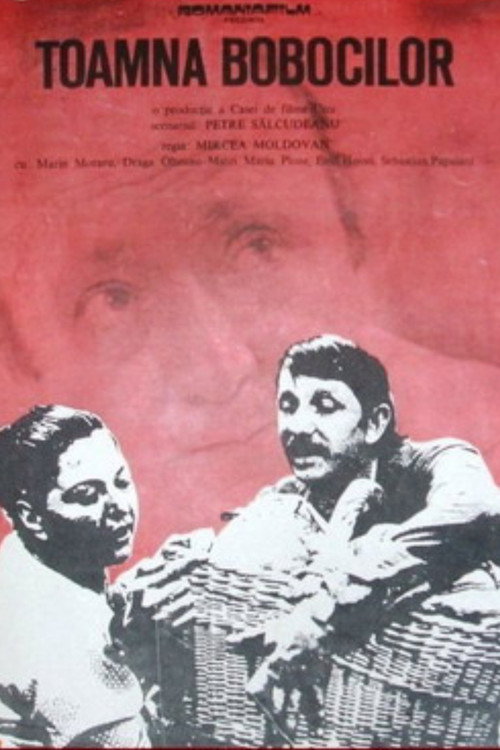
Autumn of the Goslings
1975
No user ratings available yet
Diversity score: 3.1 out of 10
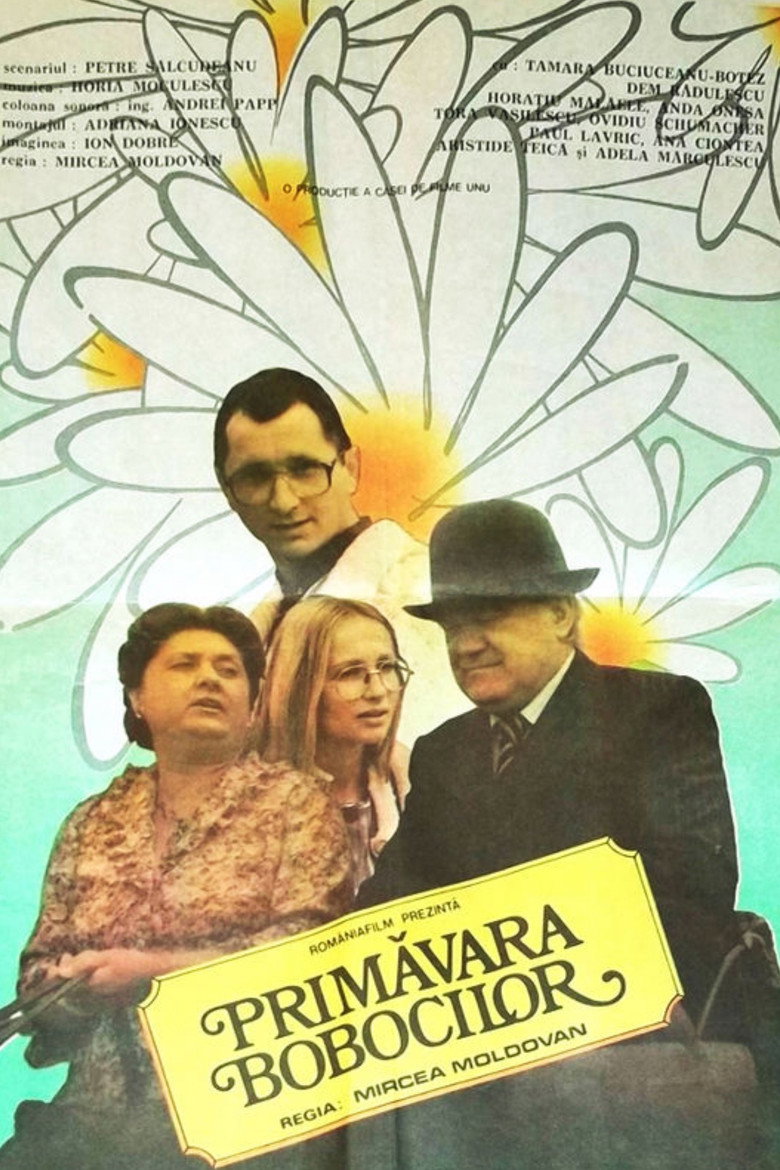
1987
Director
Mircea Moldovan
Runtime
81 minutes
Average Rating
No ratings yetSynopsis
Fifteen years later, Viișoara has not changed much: the shepherd remains the same lonely character, Varvara the same energetic woman caught in complicated administrative tasks, Toderaș with his palinca hidden in the barn and his fading authority, elders wise and active, young people enthusiastic—but not all of them.
Overall Score
Limited
Category Breakdown
LGBTQ+ Representation
The film focuses on established community archetypes like the shepherd and local authority figures. There is no evidence of non-cisnormative identities or same-sex intimacy, reflecting the heteronormative structures of 1980s Eastern European cinema.
Gender Representation
Varvara provides a sense of female agency through her energetic management of administrative tasks. However, the narrative relies heavily on traditional masculine archetypes, such as the lonely shepherd and the fading authority of Toderaș.
Racial & Ethnic Diversity
The production reflects the homogeneous demographic reality of 1987 Romania. While it does not promote racial hierarchies, it lacks diverse casting intended to disrupt the historical or cultural status quo.
Religious & Cultural Diversity
The comedy centers on village life and local social hierarchies. It emphasizes traditional social habits and communal dynamics rather than deconstructing morality or critiquing institutional structures.
Disability Representation
The available information does not contain details regarding characters with physical or neurodivergent disabilities.
Strengths
Areas for Improvement
AI Analysis
Spring of the Goslings is a character-driven comedy that functions as a snapshot of traditional Romanian village life. It succeeds in presenting a balanced community through archetypes like the energetic Varvara and the wise elders, offering a glimpse into regional social hierarchies. However, the film operates within a very narrow social framework. It reinforces established communal roles and traditional gender dynamics rather than challenging them. The narrative lacks the intersectional depth or intentionality required to represent diverse identities beyond the era's standard social norms. Ultimately, the film is a period-specific social observation. It provides meaningful character studies but remains rooted in the homogeneous and heteronormative structures prevalent in 1980s Eastern European cinema.
1975
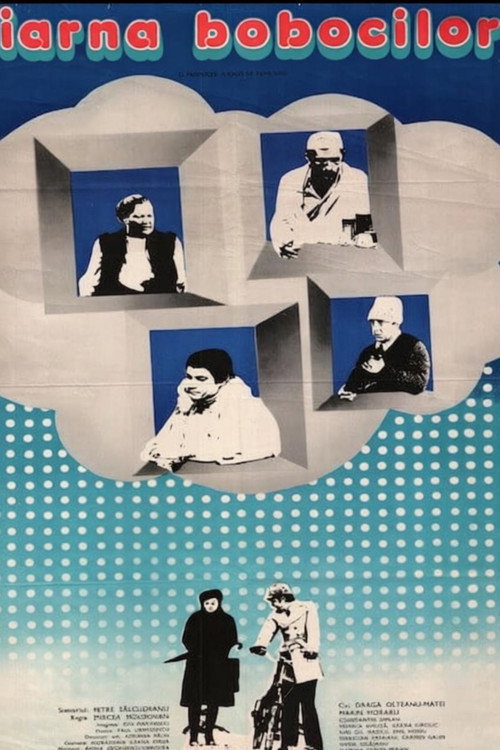
1977
1958
1991

2021
2010
2018
1981
1974
2007
1993
1975
No reviews yet. Be the first to share your thoughts on this movie!
Use the rating form above to leave a star rating and optional review.