Woody the Freeloader
1968
No user ratings available yet
Representation score: 1.6 out of 10
Representation Score
Limited
1962
Director
Paul J. Smith
Runtime
6 minutes
Average Rating
No ratings yetNew Showbiz Analysis
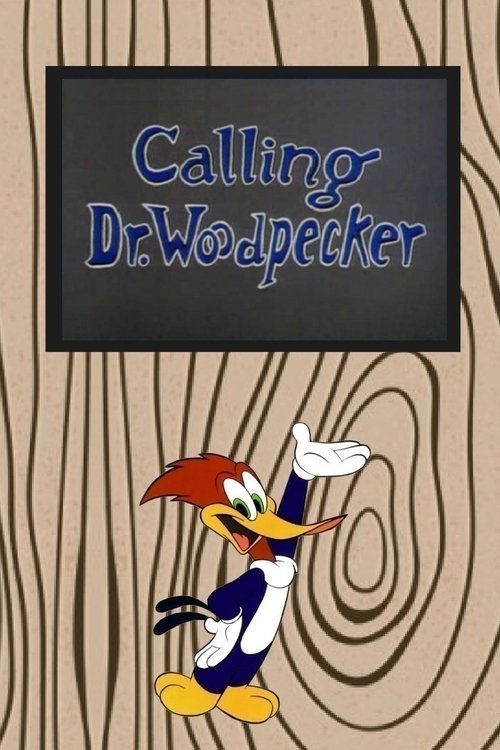
Calling Dr. Woodpecker is a product of mid-century animation that prioritizes gag-driven slapstick over social complexity. The narrative centers on a singular protagonist, leaving little room for diverse perspectives or multi-layered casting. The film reinforces the conventional character archetypes of 1962. It functions as standard entertainment of its period, lacking any structural attempt to disrupt social hierarchies or explore nuanced identities. Ultimately, the work is a vacuum of traditionalism. It avoids the systemic critiques and diverse representation found in modern progressive animation, sticking strictly to the comedic standards of its time.
Category Breakdown
The film does not include any LGBTQ+ characters or narratives that challenge the assumption that everyone is straight or cisgender. It follows the comedic clichés typical of the 1960s, which often exclude non-assuming gender matches what was assigned at birth identities.
The story focuses on Woody Woodpecker’s slapstick antics. There is no evidence of women demonstrating intellectual capabilities or challenging traditional gender roles.
The work reflects the homogeneous casting standards of its era, relying on traditional, Western-centric character archetypes without any non-white majority representation.
This situational comedy uses standard impersonation clichés rather than engaging with identity politics. It does not critique Western institutions or prioritize secularism.
Physical mishaps serve as slapstick devices rather than nuanced portrayals of disability. No characters with visible or invisible disabilities are shown taking control over their situations.
Present on Screen
Limited or Absent
Official Synopsis
Woody Woodpecker impersonates a doctor.
1968
1961
1952
1957
1958
1968
1938
1962
No reviews yet. Be the first to share your thoughts on this movie!
Use the rating form above to leave a star rating and optional review.