
The Age of AIDS
2006
No user ratings available yet
Representation score: 9.7 out of 10
Representation Score
Excellent
2013
TV-14Director
Rob Epstein, Jeffrey Friedman
Runtime
40 minutes
Average Rating
No ratings yetNew Showbiz Analysis
The documentary stands out by highlighting female leadership and the historical struggles of the LGBTQ+ community. By focusing on the partnership between Mathilde Krim and Elizabeth Taylor, it challenges traditional hierarchies and celebrates the effectiveness of underrepresented leadership. However, the film's scope is somewhat limited. While the AIDS crisis was a global issue, the narrative remains narrowly focused on the specific socio-political influence of its two central figures, which reduces the representation of diverse racial and ethnic groups. Overall, the film serves as a powerful study of multi-layered activism. It effectively uses a specific historical moment to critique systemic failures and celebrate the impact of underrepresented leadership.
Category Breakdown
The film focuses on the HIV/AIDS crisis, a critical moment in LGBTQ+ history. It highlights personal stories from a time marked by strong social stigma.
Mathilde Krim and Elizabeth Taylor are shown as strong leaders rather than passive characters. The story shifts power from male-dominated medical structures to a female-led coalition.
The narrative emphasizes the high-level philanthropic and scientific efforts of two prominent figures. It pays less attention to the diverse global communities impacted by the epidemic.
The documentary criticizes Western institutions and governments' lack of action regarding the epidemic. It showcases how unconventional alliances can overcome slow-moving, bureaucratic systems.
The film addresses the profound impact of a life-threatening illness on individuals. It underscores the urgency needed to tackle widespread health crises.
Present on Screen
Limited or Absent
Official Synopsis
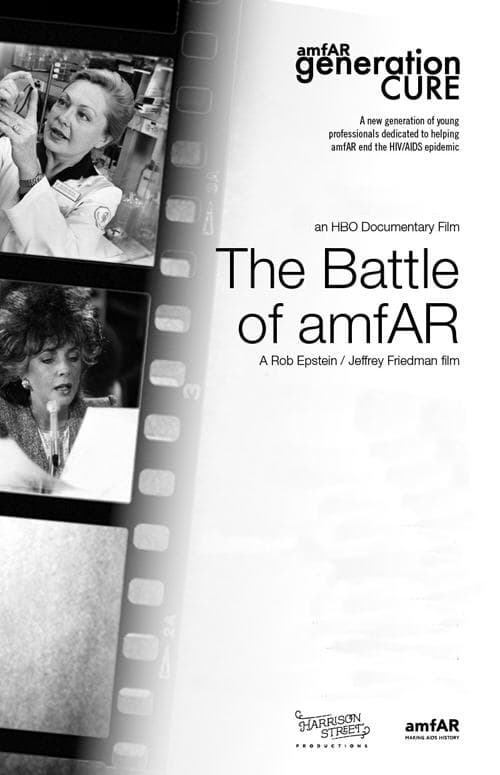
When AIDS struck in the early 1980s, a scientist and a movie star did not have to respond - but they did. Dr. Mathilde Krim and Elizabeth Taylor joined forces to create amfAR, the Foundation for AIDS Research. The fight against HIV has never been the same. The Perfect Host reveals how two powerful and very different women came together, and what their combined efforts achieved. With passion and wit, Taylor wielded celebrity as a weapon against government indifference while Krim's commitment to science ensured support for the most promising research areas. Today, the only man cured of AIDS can thank research championed by Mathilde Krim. Visually dazzling and emotionally compelling, this story offers a surprising perspective on the still ongoing fight against AIDS.
2006

1984

2011

2017
2012

1993
2009
1996
No reviews yet. Be the first to share your thoughts on this movie!
Use the rating form above to leave a star rating and optional review.