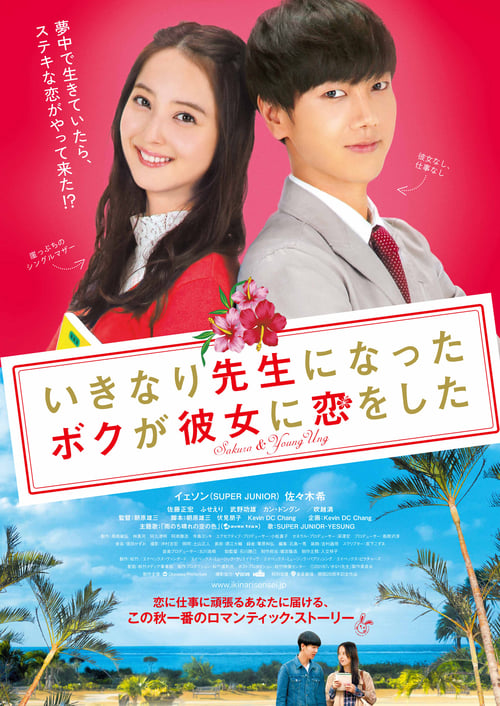
My Korean Teacher
2016
No user ratings available yet
Representation score: 4.7 out of 10
Representation Score
Fair
2012
Director
Eriko Kitagawa
Runtime
120 minutes
Average Rating
No ratings yetNew Showbiz Analysis
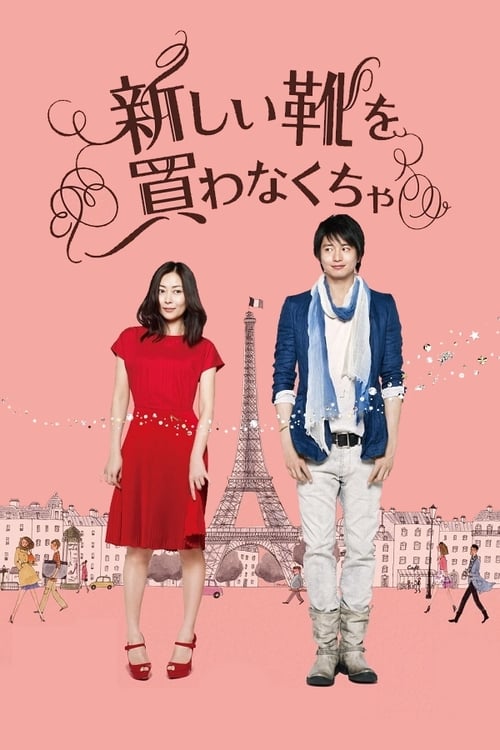
Eriko Kitagawa delivers a character-driven narrative that prioritizes emotional interiority and individual autonomy. By centering on a professional woman navigating life in Paris, the film offers a moderate subversion of traditional domestic hierarchies. While the film excels in depicting female autonomy and professional independence, it remains within the bounds of standard romantic-comedy frameworks. It lacks explicit representation of LGBTQ+ identities or diverse physical and neurodivergent experiences. The setting provides a globalized atmosphere, yet the core interpersonal dynamics remain focused on conventional romantic structures rather than radical social deconstruction.
Category Breakdown
The film follows conventional romantic pairings between Aoi and Sen, and Suzume and Kango. There is no explicit evidence of queer visibility or critiques of the assumption that everyone is straight or cisgender within the narrative.
Aoi Teshigahara serves as a central figure, navigating professional and romantic life in Paris. The film emphasizes her autonomy and decision-making, avoiding passive clichés.
While the cast is primarily Japanese, the Parisian setting facilitates a cross-cultural encounter. The film moves beyond a strictly homogeneous environment through its globalized backdrop.
The story prioritizes individual emotional truth and modern independence over rigid traditional structures. However, it adheres to standard romantic-comedy clichés rather than deconstructing specific cultural institutions.
The narrative contains no mention of characters navigating physical, neurodivergent, or mental health conditions.
Present on Screen
Limited or Absent
Official Synopsis
Freelance writer Aoi Teshigahara lives in Paris, France. Sen Yagami is a photographer who came to Paris, France due to his younger sister Suzume's insistance. Over the next 3 days, Aoi Teshigahara and Sen Yagami fall in love. Meanwhile, Suzume meets her boyfriend Kango, whom they have been in a long distance relationship.
2016

2013

2014

1997

2012
2013

2022

2007
No reviews yet. Be the first to share your thoughts on this movie!
Use the rating form above to leave a star rating and optional review.